
■ DATE:
■ LOCATION:
■ CONCEPT AND REALIZATION:
■ ARTISTS:
A remnant reads 'decay' where progressive technology was once planned. Another screams for help, hides, and seeks another present; one where the bomb could have been not detonated but obfuscated. A strategic place positioned between land and sea becomes a remnant of war, which once turned the terrain into a militarized zone. Regardless of the waves, the wind, or the debris, the leftover is there—massive, peeking upwards—as a witness of what tears apart and reshapes the land; a witness to remind us that an otherwise is possible.
The three films included in "GPC STREAMS (#6): Remnants" turn our attention towards surveilled, militarized, and abandoned sites; they do so not as portraiture but as a choral collage of various perspectives, a polyphonic reappropriation of images and a visualization of a requiem. A symphony that, instead of informing, makes thunderous explosive scenes, creaking metal infrastructures, and poisonous military barracks resonate. Reverberations coming from disparate places, from the north of Estonia, the Colombian countryside, and Palestinian grounds. Their combined echoes: resistive paths wishing to reconfigure an-other present.
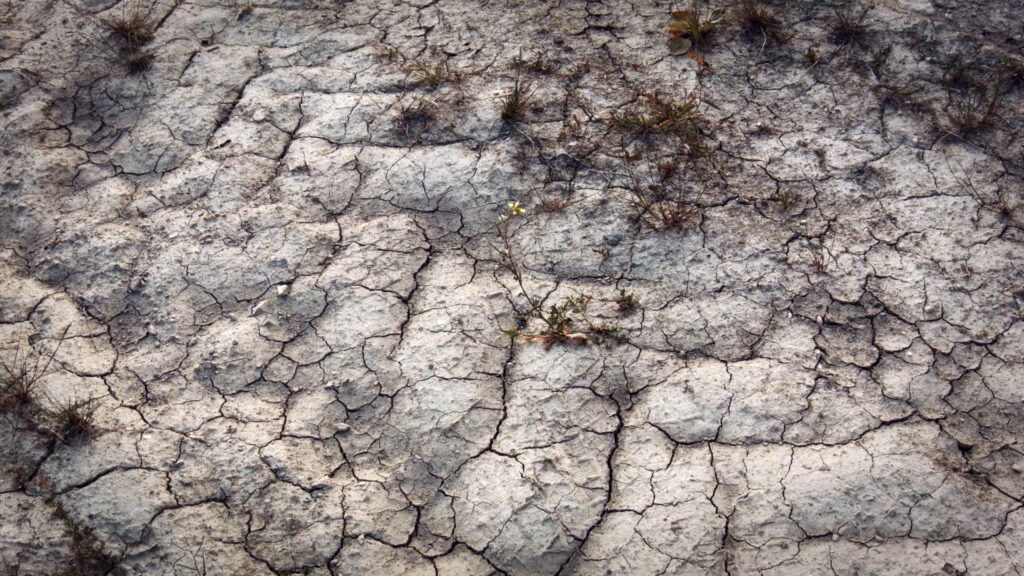
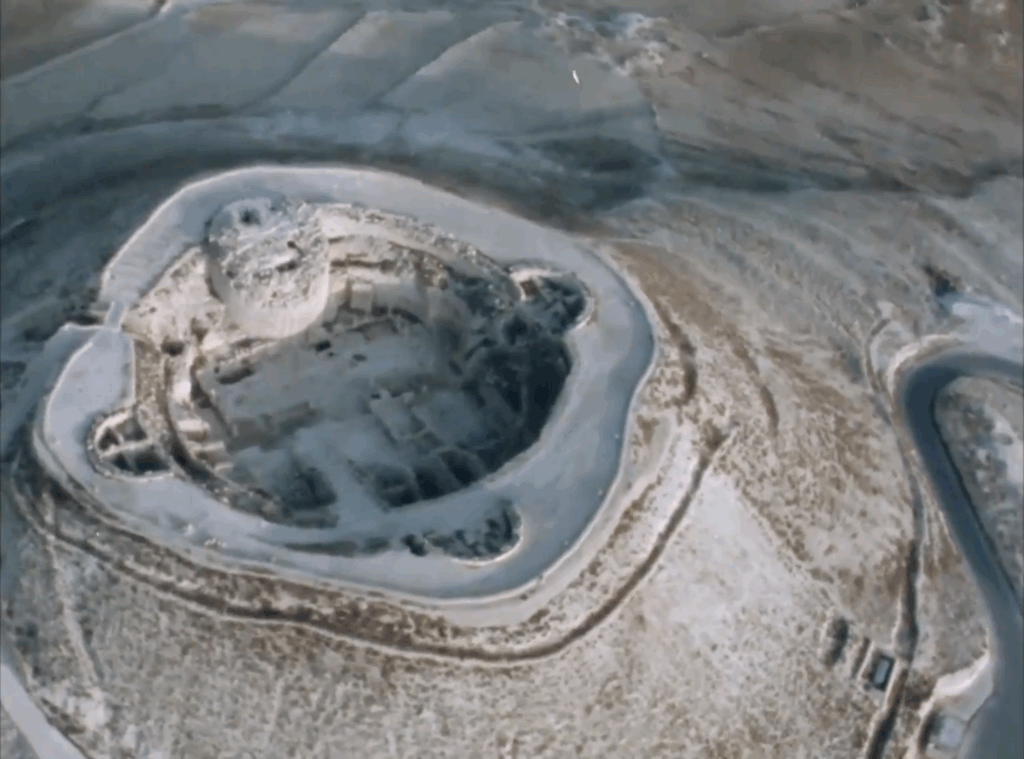
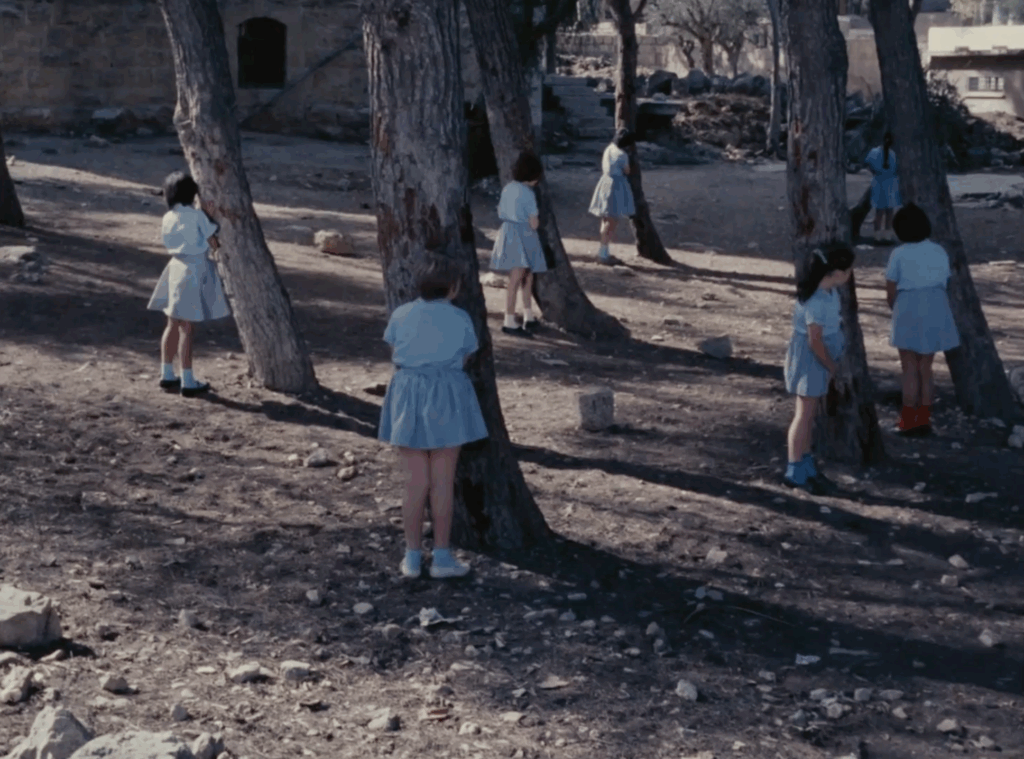
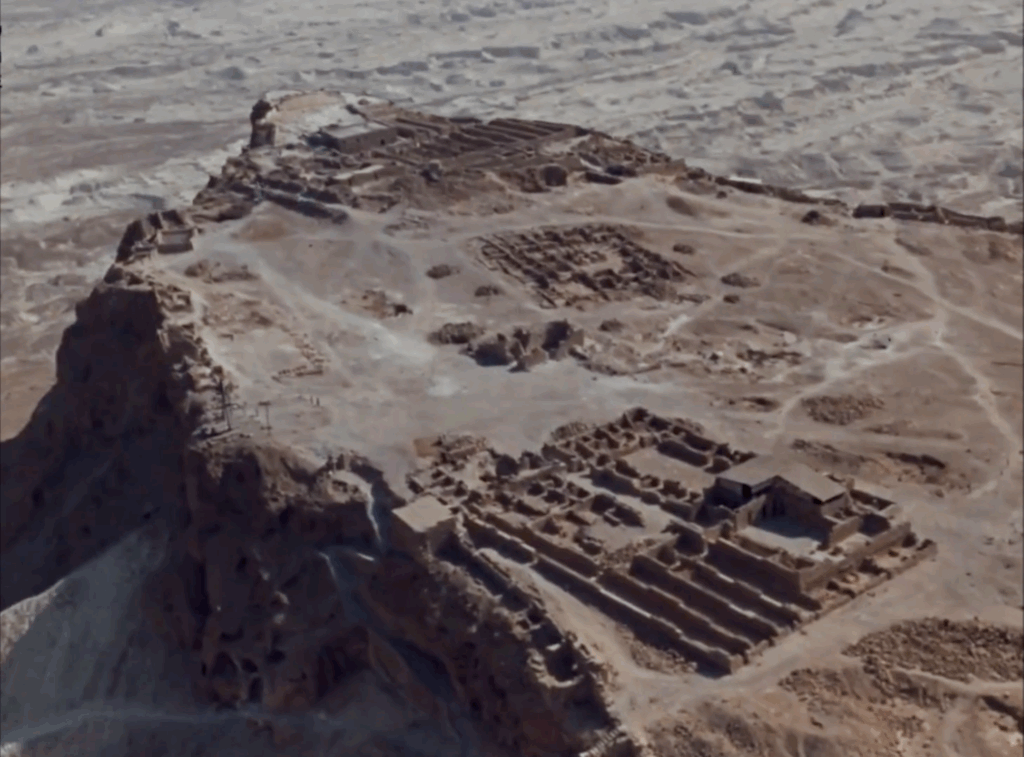
In "UNDR" the vertical perspective reveals the surveillance of a landscape, a flying eye that returns obsessively to a field, a desert, its stones, and the human history inscribed upon them. It is also the human who has become so deeply woven into the land that they can be seen, even mirrored, by the landscape itself. Yet, as immutable as this bond might appear, the human footprint still resonates within the terrain. Employing archival footage, the terrain portrayed in “UNDR” becomes both witness and target of bombardment, an act of destruction, or rather, of appropriation, aimed at preparing the ground for new cities with new names.
Set in the city of Paldiski, a former soviet seaside military base in northwestern Estonia, "Xeroines" takes this location as an uncertain ground through which despair and hope, present dystopia and disregarded utopian possibilities, can be interpreted as coexisting. By offering a stage for reflection upon latent realities of the otherwise, this work re-interprets a martial terrain and its dismantling potential while switching between a wide range of scales of affection, and effectively accompanied by thoughts from Constance DeJong, Audre Lorde, Simone Weil, and Valerie Solanas, whose words weave through the landscape like echoes of resistance and reinvention.
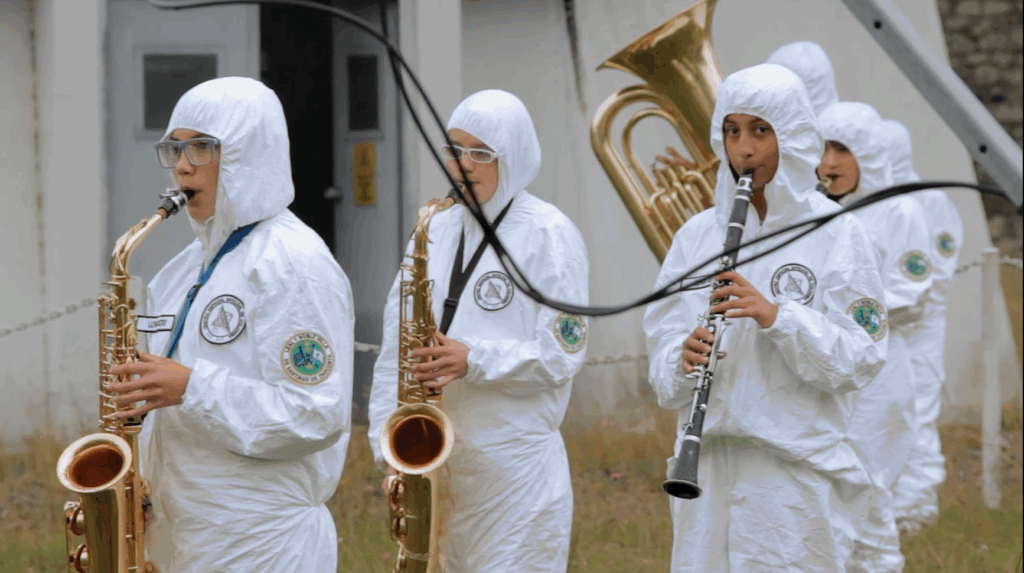
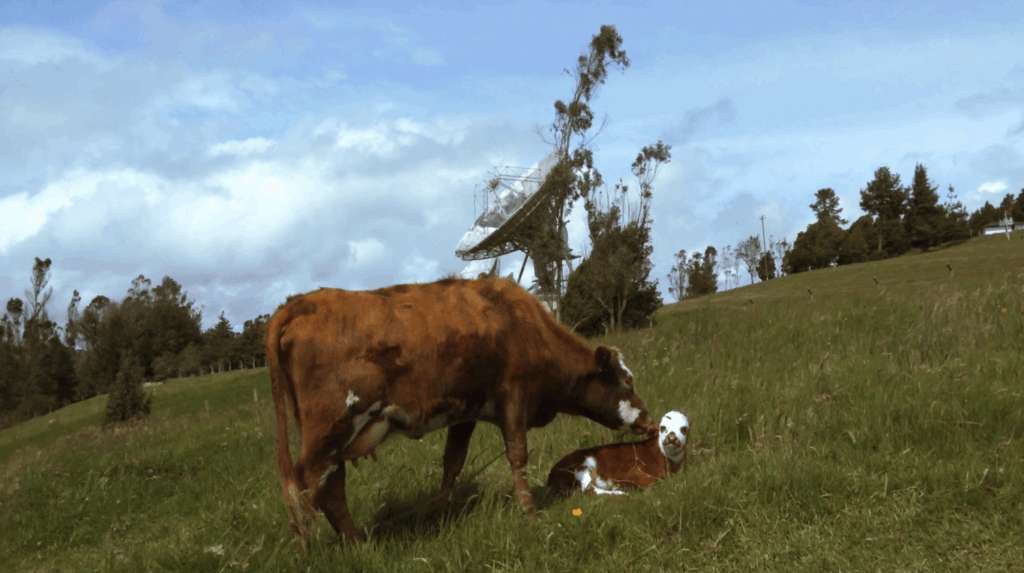
"Centro Espacial Satelital de Colombia" is a visual lullaby, an elegy to the Space Communications Center of Colombia: a pair of gigantic satellite antennas rising from the rural landscape of Chocontá. Built in the 1970s, these antennas once transmitted radio and telephone signals via microwave and were open to visitors eager to witness a symbol of technological progress. Currently in decline, the site is now visited by the Chocontá Symphonic Youth Band. Their requiem performance echoes through the metal structures, invoking a glorious past, an agonizing present, and an uncertain future.
We use the font “Suisse Int’l,” which was kindly provided to us by Swiss Typefaces.