

■ DATE:
■ LOCATION:
■ ARTISTS:
■ ORGANIZERS:
■ FOLLOWING Q+A WITH THE FILMMAKERS:
We are pleased to publicly present the projects that have been created during the GPC Lab 2023-24. The Lab offers a mentorship for the production of film, video and moving image works in different project phases. The projects receive individual dramaturgical support based on the needs of the project. The participating artists have developed specific performative formats in which they will present their moving image works. After this they will contextualise the dramaturgical angles they have developed, in a discussion with theorist Klaus Speidel.
Touching on theoretical, aesthetic as well as practical and process-oriented questions, the three artists will bring to light the specific dramaturgical frameworks they have developed in relation to their subject matters and give insights into the collaboration with their dramaturgy advisors.
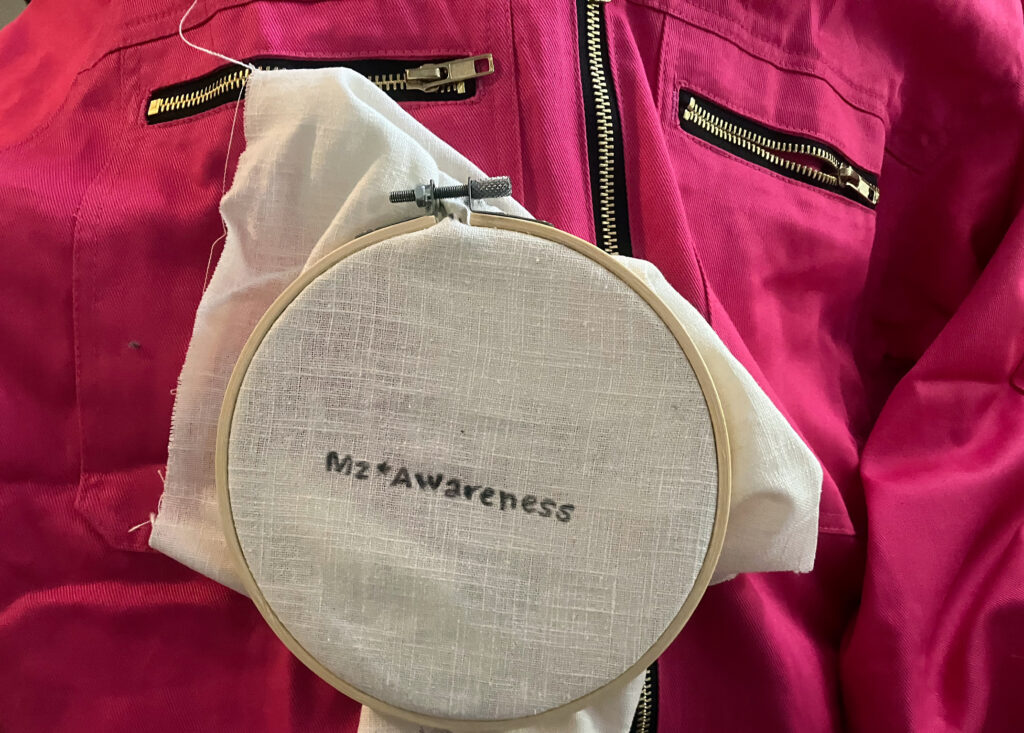
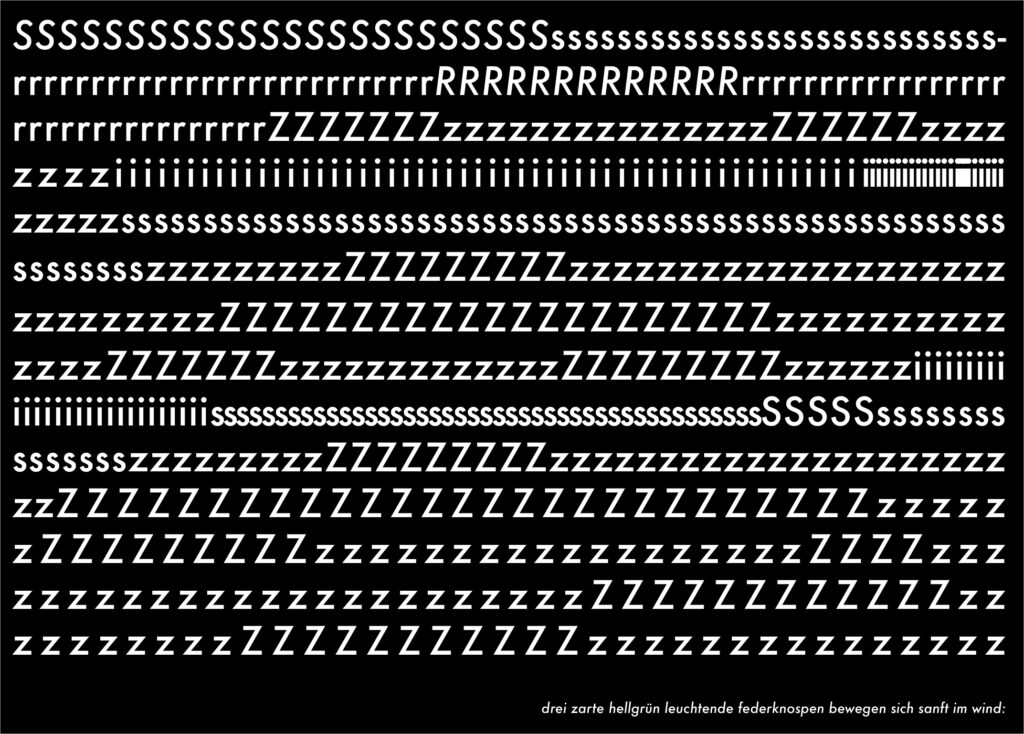
How does it feel when your feelings grow feathers? Are you connected with the sensuality of your ‘no’? In a performative reading, Veronika Hösch will give an insight into the exposé for her short film “NiNi! Crossing feathers”, focussing on the creation of her “filmic feather language”. Queer love is not learnt in isolation in “NiNi! Crossing feathers”, but collectively in a magical parallel world in the Lobau, a nature reserve and cruising area in Vienna. It is a place of productive chaos and care, where people and objects grow feathers that set boundaries, give and receive consent and validate feelings.
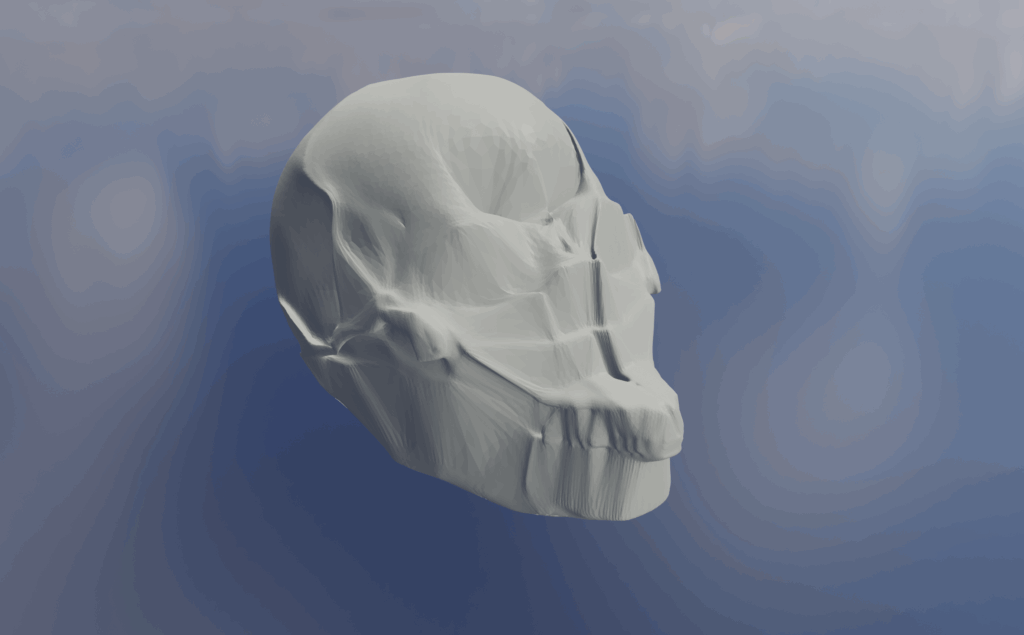
The sci-fi film “When I Become a Whale” critically explores humanity's evolving relationship with the environment amidst capitalist exploitation and technological advancements. It questions how land, identity, and belonging are destabilised by environmental crises and offers a speculative future where nomadic life becomes the norm. Central to the narrative is the role of AI in decision-making, transitioning from terrestrial to underwater life, advocating for a paradigm shift toward sustainable coexistence.
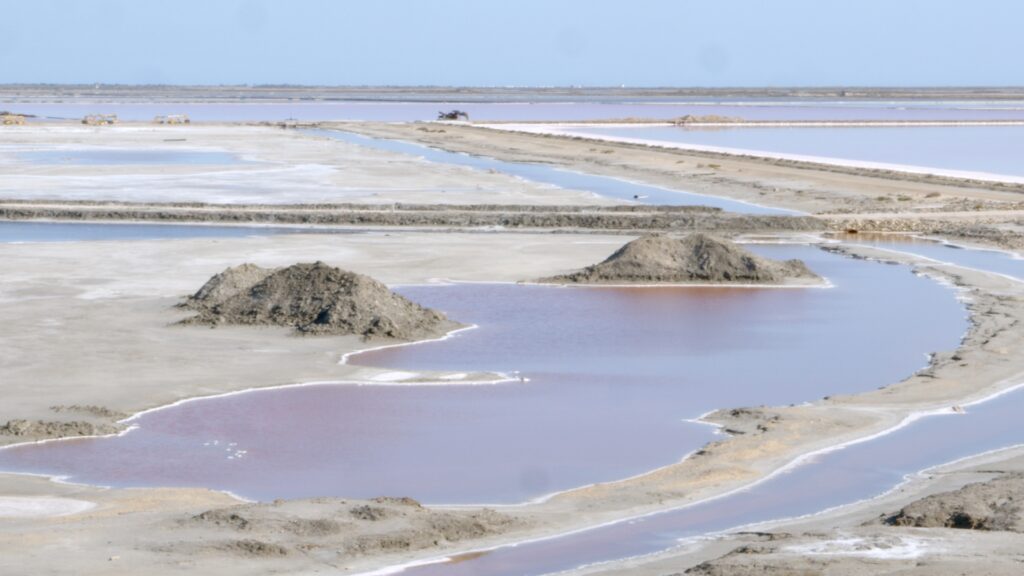
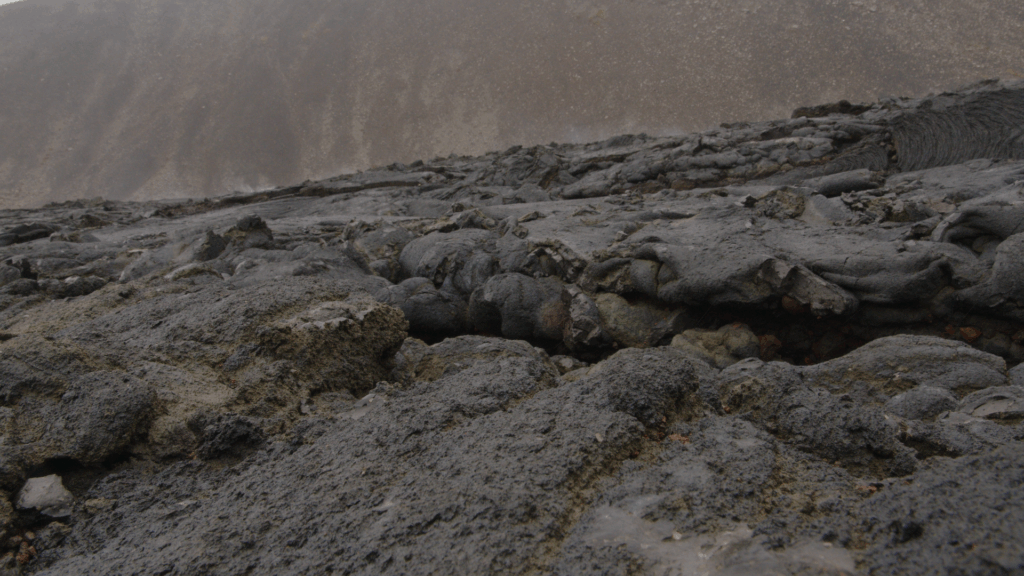
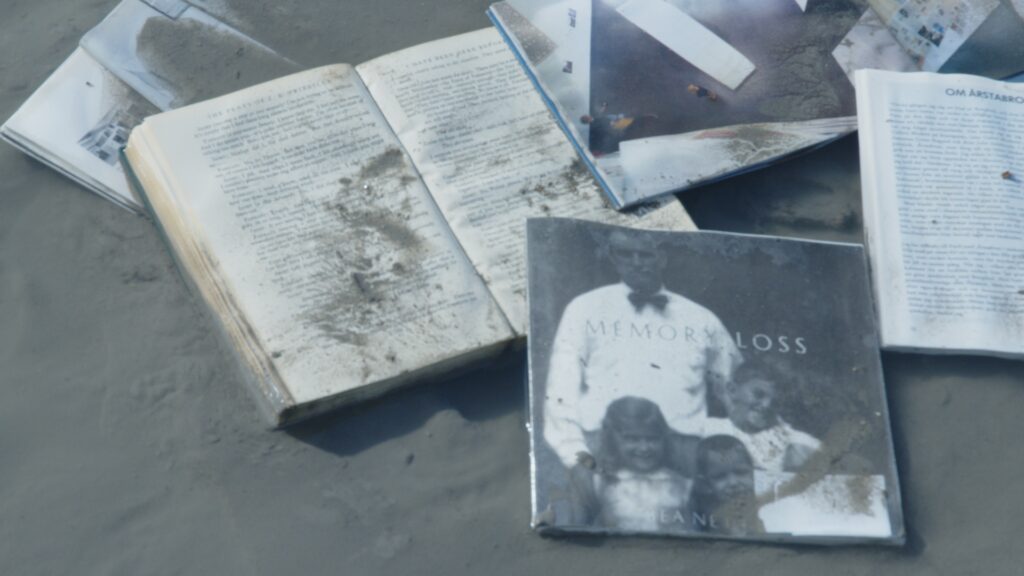
Katja Verheul will give an introduction into the research she has been conducting for her film “Red Dust”. She will also place this work in the context of her other projects that relate to nuclear warfare, energy and waste.
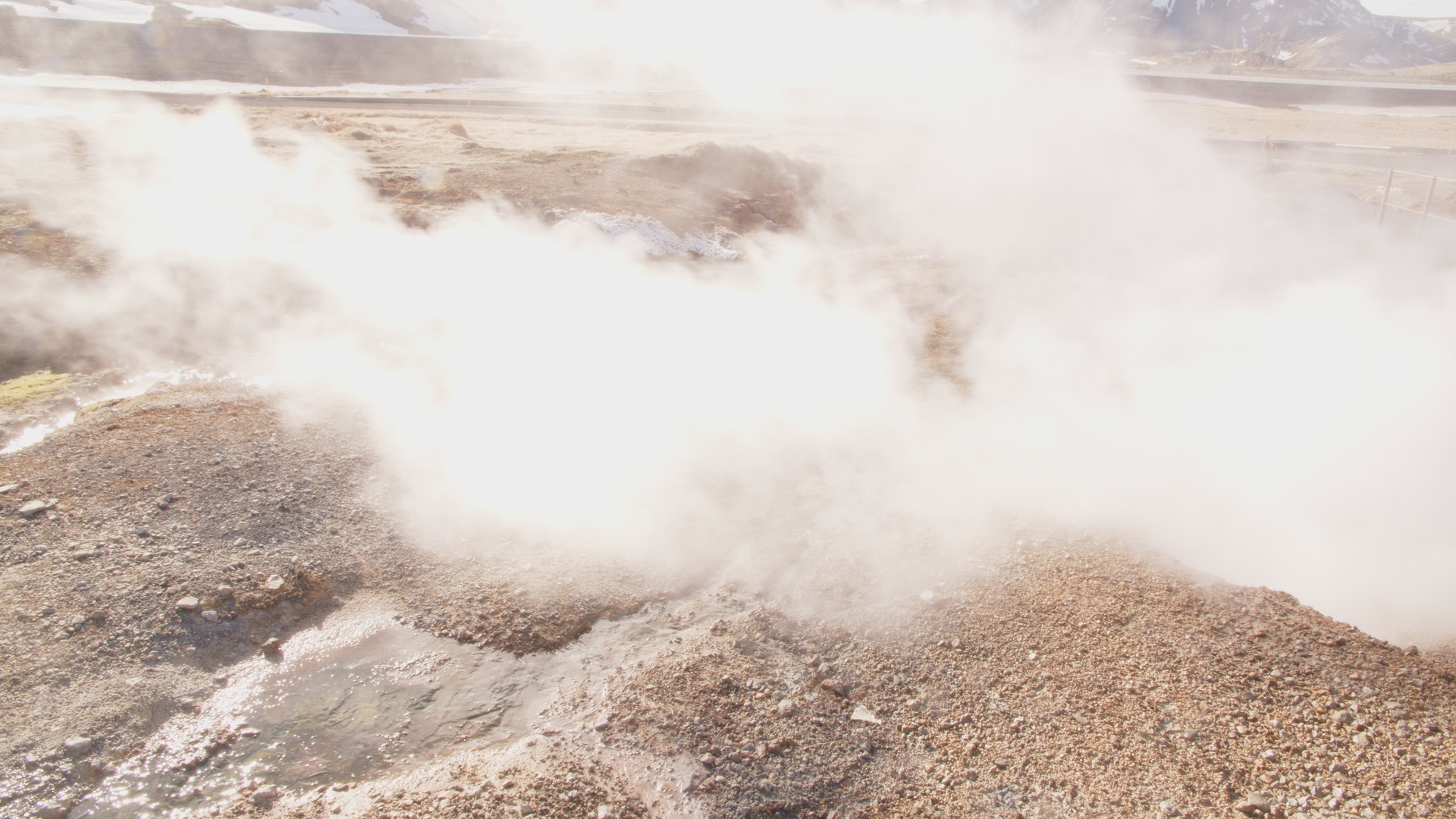
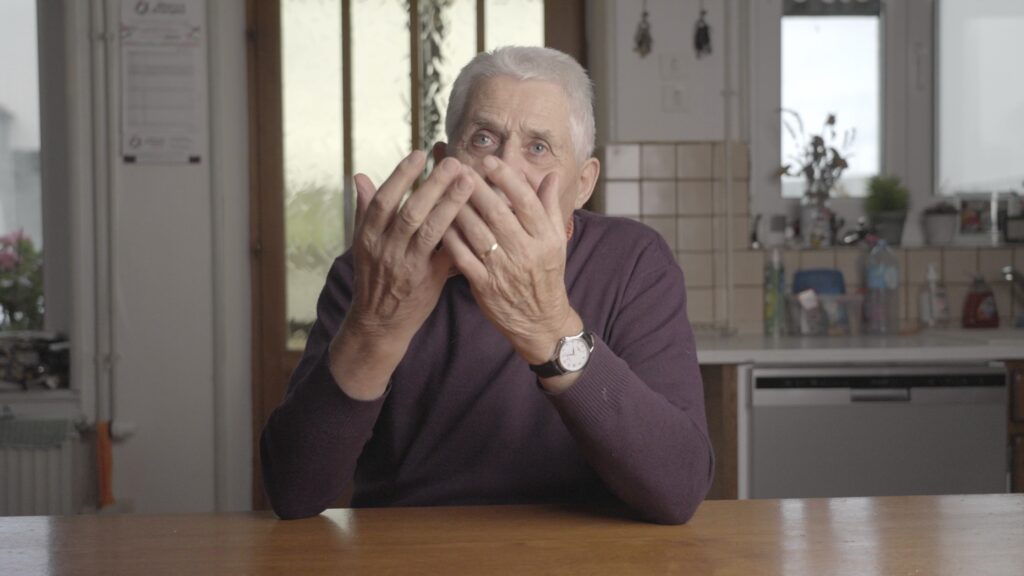
A couple of times a year, the sky turns red in France. Sand dust from the Sahara passes through a difference in air pressure from North Africa to Southern Europe. This dust, a time capsule containing cesium-137 from the French nuclear tests in Algeria, covers everything. The film exposes the impact of a war that was never fought. A French veteran and archeology students share and speculate on what will be remembered and what will be hidden under the sand forever.
is an artist living in queer-feminist friendships in Vienna (AT). Hösch's works have been shown internationally, at the Nakanojō Biennale, Nhà San Collective, Jakarta International Documentary and Experimental Film Festival and FrauenFilmTage Wien.
is a media artist based in Vienna (AT). Her works explore the intersection of media and bio-technology, feminism, and environmental studies. They have been shown at B3 Biennial Moving Images, European Media Art Festival, Rec.Forward Festival and the Austrian Film Museum.
is a filmmaker based in Rotterdam (NL). She has shown her films, among others, at IFFR, Visions du Réel, Kasseler Dokfest, Dokufest, Sharjah Art Foundation, Art Rotterdam, MAXXI Museum and on Dutch television.
is an art theorist, critic and curator. He holds a PhD in philosophy (Sorbonne). His writing has been published in numerous scientific journals, art magazines and catalogues. He teaches at the University for Applied Arts, Vienna, and other universities.
We use the font “Suisse Int’l,” which was kindly provided to us by Swiss Typefaces.