■ DATE:
■ LOCATION:
■ CONCEPT AND REALIZATION:
■ ARTISTS:
■ SUPPORT:
■ CONTRIBUTORS:
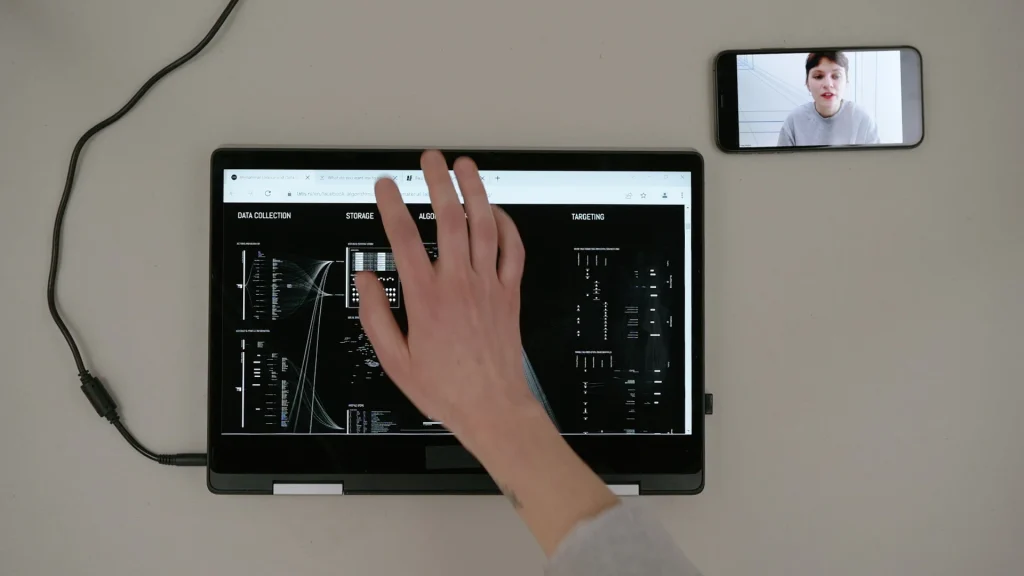

As we tap the surface of our screen, as we scroll, search and watch; As we engage in individualised information bubbles built by algorithmic infrastructures, as we employ digital services offered by disembodied voices, or as we leave various data traces assessed and archived by tech companies for different usages – we need to ask ourselves: When does our screen time become a form of “shadow work”? How are social interactions commodified by the invisible patterns of digital networks? And who performs the new kinds of service that arise from the ground of our screens?
The online symposium Screen Matters – The Screen As A Place Of Work directs its focus on the different screens surrounding us, as well as the working environments that can be found on and behind their surfaces. Being the basic infrastructure of this symposium, the screen will not only function as a space of production, presentation, and communication, but also as the subject of theoretical and artistic investigations. Playfully examining the possibilities of a pre-recorded virtual symposium, Screen Matters experiments with different forms of audiovisual artistic research. Interweaving essayistic artist talks, interviews and video works by artists, thinkers and writers within the frame, we aim to create an international conversation in which we reflect upon the economic and socio-political entanglements of the screen. Together with our guests, we will discuss the ways in which users and workers are being bodily and cognitively exhausted by those forms of “screen work” and at the same time search for possibilities in order to oppose these often invisible ways of capitalistic extraction.
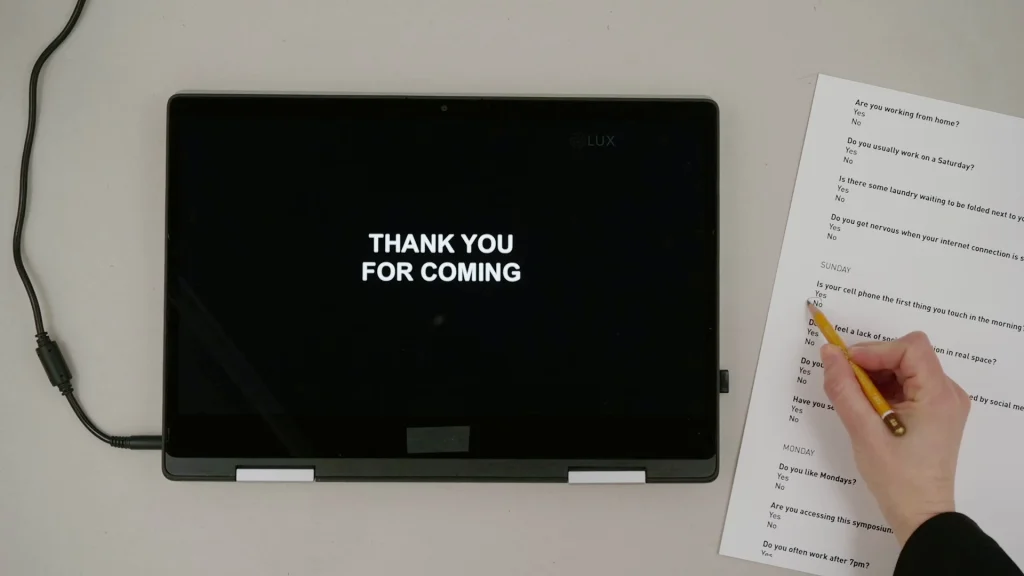
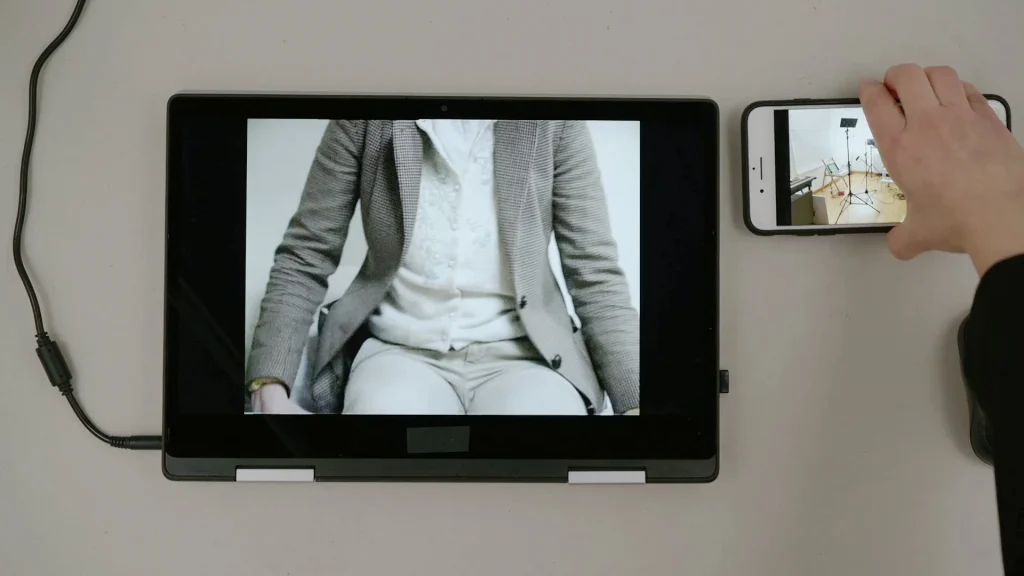
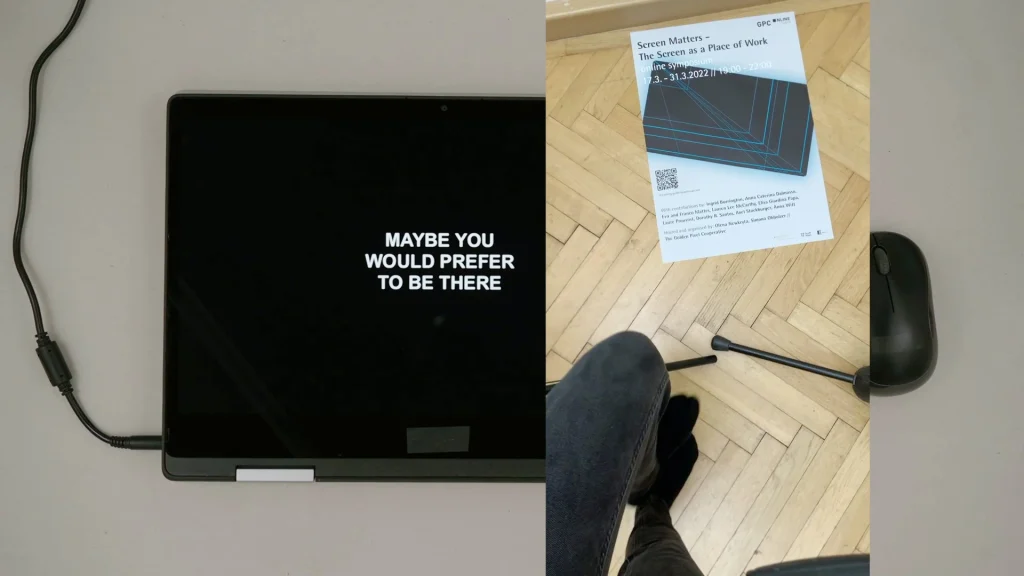
The online symposium was held in English. The audiovisual moderation available here guides viewers through the program and serves—like a kind of “membrane”—as a connecting interface between the individual video works, artist talks, interviews, and the audience of “Screen Matters”.

How can the manifold interrelations of technology and bodily techniques be described? And in which ways do digital technologies influence our bodily perceptions?
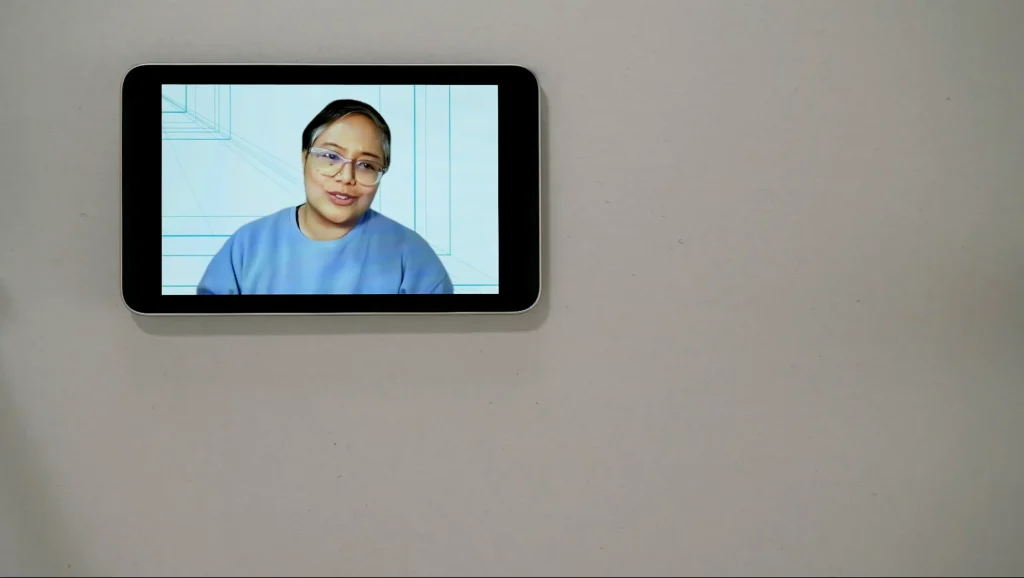
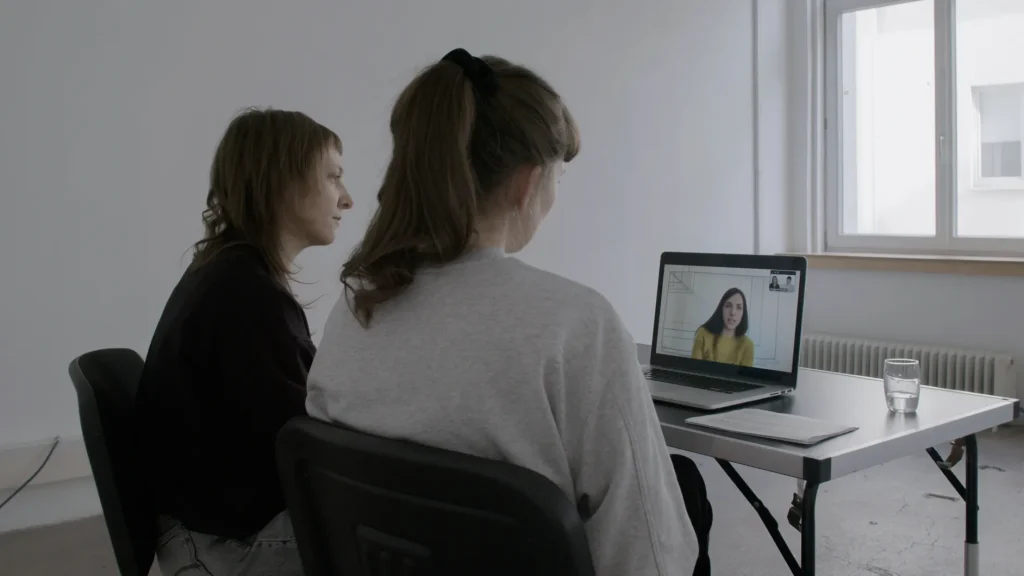
In order to discuss those questions, we have invited the Italian philosopher and media theorist Anna Caterina Dalmasso for an online interview – the video can be viewed here.
Anna is assistant professor in Film and Media Studies at University of Milan and an associate fellow of the Center Prospéro at Saint-Louis University in Brussels. She has co-edited several collective books and journal issues on screen studies, the philosophy of cinema, and the relationship between the human body and the dispositive of the frame.
By combining visual culture, film and media studies with phenomenology and aesthetics, her research focuses on post-cinema and immersive media.
Program
The Online-Symposium was held in English.
■ LAURE PROUVOST: MONOLOG
FR 2009, 09:14 min.
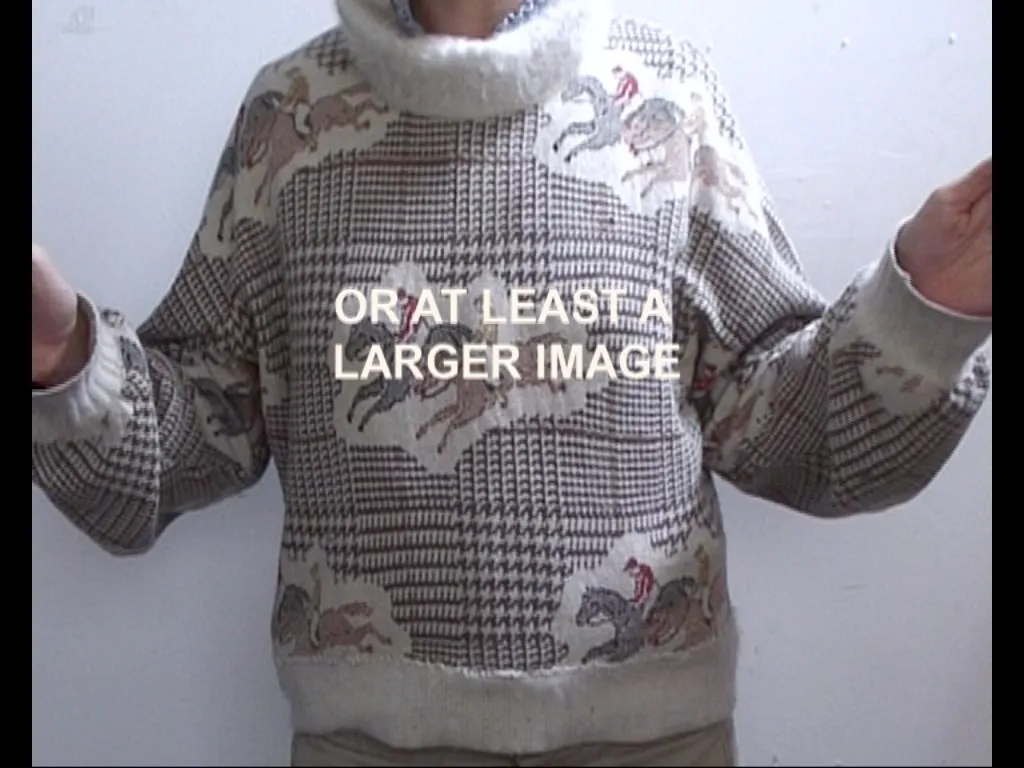
Laure Prouvost is a french video, installation and performance artist based in Antwerp. In “Monolog” Prouvost directs the attention to the physical space of the screening room as well as the institutional regulations and behavioural codes imposed upon the audience in cinematic and cultural contexts. In this she parodies her position as a director, and questions our role as an audience.
■ NEWKRYTA, OBHOLZER: MODERATION I
AT 2022, 10:37 min.
Welcome to the symposium “Screen Matters - The Screen as a Place of Work”. The hosts of tonight's evening, Olena Newkryta and Simona Obholzer, are introducing themselves as well as The Golden Pixel Cooperative and the guests of the symposium. This is the first part of an audio-visual moderation that will guide you through the evening. Functioning as a kind of “membrane”, the moderation will create a linking interface between the individual video works, artist talks, interviews, and you, the visitors of “Screen Matters”.
■ NEWKRYTA, OBHOLZER: MODERATION II
AT 2022, 07:46 min.
Since this symposium, like so many things since the outbreak of the Covid 19 pandemic, takes place in the digital realm, we would like to start “Screen Matters” by addressing the increasing technologisation and digitalisation of social interactions. How are social interactions being commodified within digital networks? And how is this commodification impacting the ways we interact with each other?
■ LAUREN LEE MCCARTHY: ARTIST TALK
USA 2022, 15:24 min
Lauren Lee McCarthy is an LA-based artist with a background in computer science. In her works she examines social relationships in the midst of surveillance, automation, and algorithmic living. Interested in the ways how algorithms and technologies format social relations, Lauren creates performative situations and interventions that invite viewers to interact or to engage in a conversation. By inserting performative glitches and by hacking the functioning of software systems, her works not only leverage their underlying mechanisms, but also create genuine spaces of social exchange.
■ NEWKRYTA, OBHOLZER, SANTOS: MODERATION III WITH INPUT BY DOROTHY R. SANTOS
AT / USA 2022, 16:20 min.
With the shift of social interactions into digital spheres, new forms of digital labour also emerge that encompass different types of affective care work. These services are mostly performed by a multitude of freelancers on various online platforms. Interested in the personal experience of those workers, the artist Elisa Giardina Papa conducted chat interviews with workers from all around the world. In order to discuss her video work “Technologies of Care” within a broader context, we have invited the Filipino American writer, artist, and educator Dorothy R. Santos to give us her thoughts on this work from the perspective of her own research. Dorothys research interests include feminist media histories, critical medical anthropology, computational media, technology, race, and ethics.
■ ELISA GIARDINA PAPA: TECHNOLOGIES OF CARE
IT 2016, 11:01 min. (commissioned by Rhizome.org)
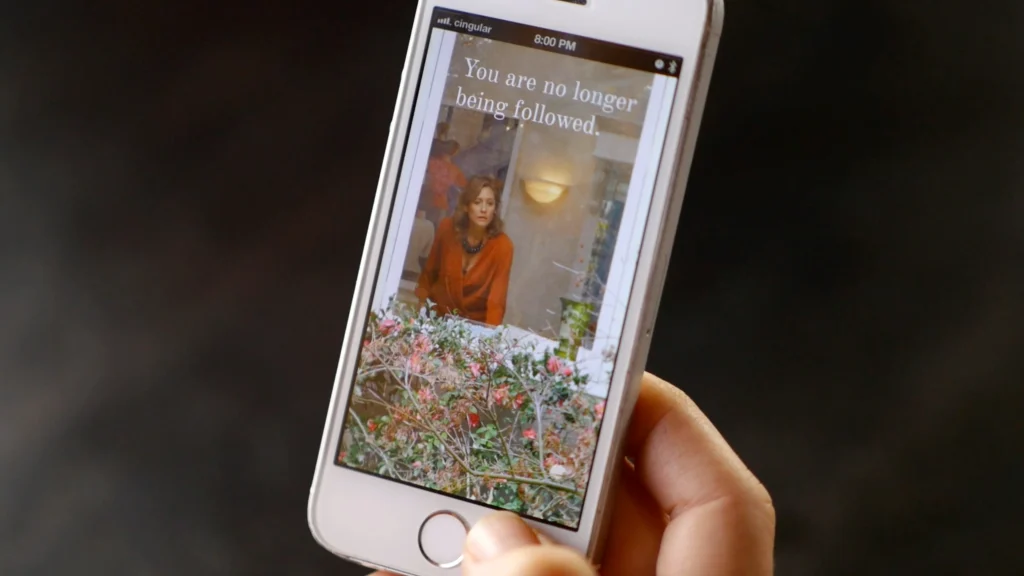
Elisa Giardina Papa is an Italian video and installation artist. Her work investigates gender, sexuality, and labour in relation to neoliberal capitalism and the borders of the Global South. “Technologies of Care” documents new ways in which service and affective labour are being outsourced via internet platforms. The video series visualises the invisible workforce of online caregivers, thereby exploring topics such as empathy, precarity, and immaterial labour. “Technologies of Care” consists of seven parts. You are about to see three of them: Worker 1, Researcher and Nail Wraps Designer (Brazil); Worker 2, Social Media Fan (Greece); Worker 5, ASMR artist (USA)
■ NEWKRYTA, OBHOLZER : INTERVIEW WITH ANNA CATERINA DALMASSO
AT 2022, 44:51 min.
How can the manifold interrelations of technology and bodily techniques be described? And in which ways do digital technologies influence our bodily perceptions? In order to discuss those questions, we have invited the Italian philosopher and media theorist Anna Caterina Dalmasso for an online interview. Anna is assistant professor in Film and Media Studies at University of Milan and an associate fellow of the Center Prospéro at Saint-Louis University in Brussels. She has co-edited several collective books and journal issues on screen studies, the philosophy of cinema, and the relationship between the human body and the dispositive of the frame. By combining visual culture, film and media studies with phenomenology and aesthetics, her research focuses on post-cinema and immersive media.
■ NEWKRYTA, OBHOLZER: BREAK
AT 2022, 05:32 min.
■ NEWKRYTA, OBHOLZER: MODERATION IV
AT 2022, 05:46 min.
In the last part of the interview Anna Caterina has addressed the dissolution of the frame in virtual environments and how the body itself becomes a kind of virtual frame, as it marks the edges of visual and physical perception. In regard to the video work “All work And No Play” that will follow next, we will briefly introduce the phenomenon of the "magic circle" and show how it pushes the boundaries of our perception.
■ AXEL STOCKBURGER: ALL WORK AND NO PLAY
AT 2022, 12:38 min.
Within the frame of our screens, information that used to be spatially or institutionally separated from each other is now simultaneously accessible. The boundaries are becoming increasingly blurred between the windows and tabs of our screens, especially when it comes to separating work and leisure. In his video contribution Axel Stockburger asks: Where does work end? Where does the game start? Axel is a Vienna based artist, theorist and educator whose research focuses mainly on game studies and the novel spatial paradigms emerging from computer and video games.
■ NEWKRYTA, OBHOLZER: MODERATION V
AT 2022, 03:27 min.
However, not only are the boundaries between work and play increasingly dissolving - but also those between work and sleep, as Anna Witt's video “A Cool Million” will show. Anna's artistic practice is situated between video and video-performance as well as performative interventions in public space. In her works, which are often preceded by longer collaborations and shared processes, Anna creates situations and encounters that reflect upon interpersonal relationships and political power structures.
■ ANNA WITT: A COOL MILLION
USA / AT 2022, 30:54 min.
Continuing her artistic research on work and working conditions, Anna has produced a video contribution which is based on video footage uploaded by digital service workers on various social media platforms. By collaging these shared experiences that depict the struggles and attempts to earn money online, Anna re-creates a kind of virtual community of workers - one that exists within the frame of the screen.
■ BURRINGTON, NEWKRYTA, OBHOLZER: MODERATION VI WITH INPUT BY INGRID BURRINGTON
AT / USA 2022, 14:04 min.
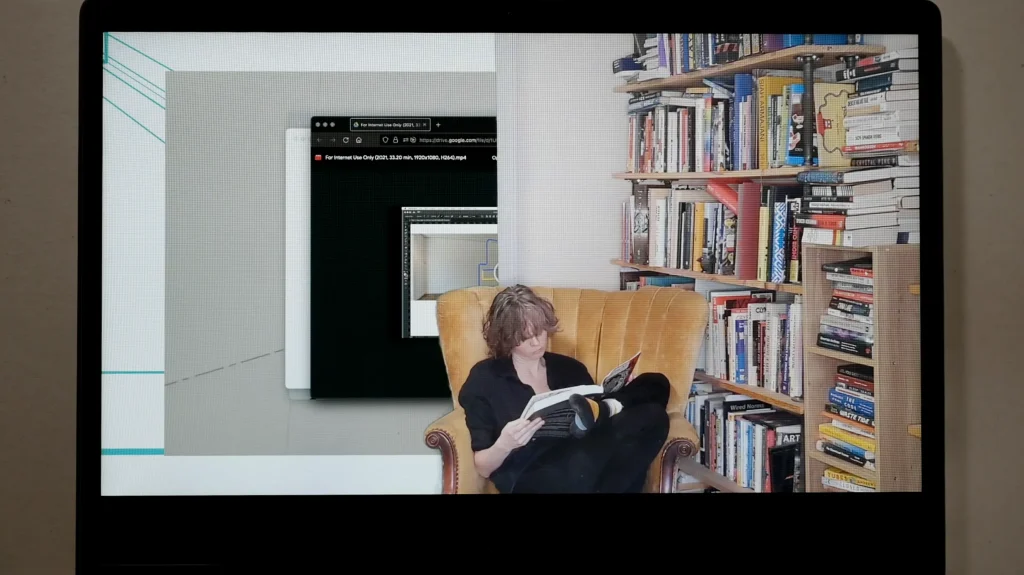
Is there a possibility of not being productive on the internet? A possibility of wasting time? Of not producing capital? Those are some of the questions we have asked Ingrid Burrington, a New York based writer and artist. In her writings and research Ingrid seeks to demystify technologies as well as to articulate the underlying politics and power dynamics of networked systems and the life within an increasingly networked society. For the symposium we have invited her to create a brief response on the video work “For Internet Use Only” by Franco and Eva Mattes which will follow next.
■ EVA AND FRANCO MATTES: FOR INTERNET USE ONLY
USA 2021, 33:20 min.
Eva & Franco Mattes are an artist duo living in New York. They create audiovisual and installative works that respond to and dissect the contemporary networked condition, thereby approaching the ethics and politics of online life with a darkly humorous edge. “For Internet Use Only” is the documentation of desktop performance from 2016. In this piece the audience inevitably become voyeurs watching the artists carrying out their mundane daily routines between the different windows of their screen, where the borders between leisure and work, between boredom and hyperproductivity blur.
■ NEWKRYTA, OBHOLZER: MODERATION VII
AT 2022, 01:04 min.
Thank you for attending “Screen Matters - The Screen As A Place Of Work”. We hope you have enjoyed the programme. After this last video a graphical evaluation of the daily “Screen Matters Questionnaire” will be shared with you.