Profession: Documentarist

Profession Documentarist 01 photo by M.reza Jahanpanah
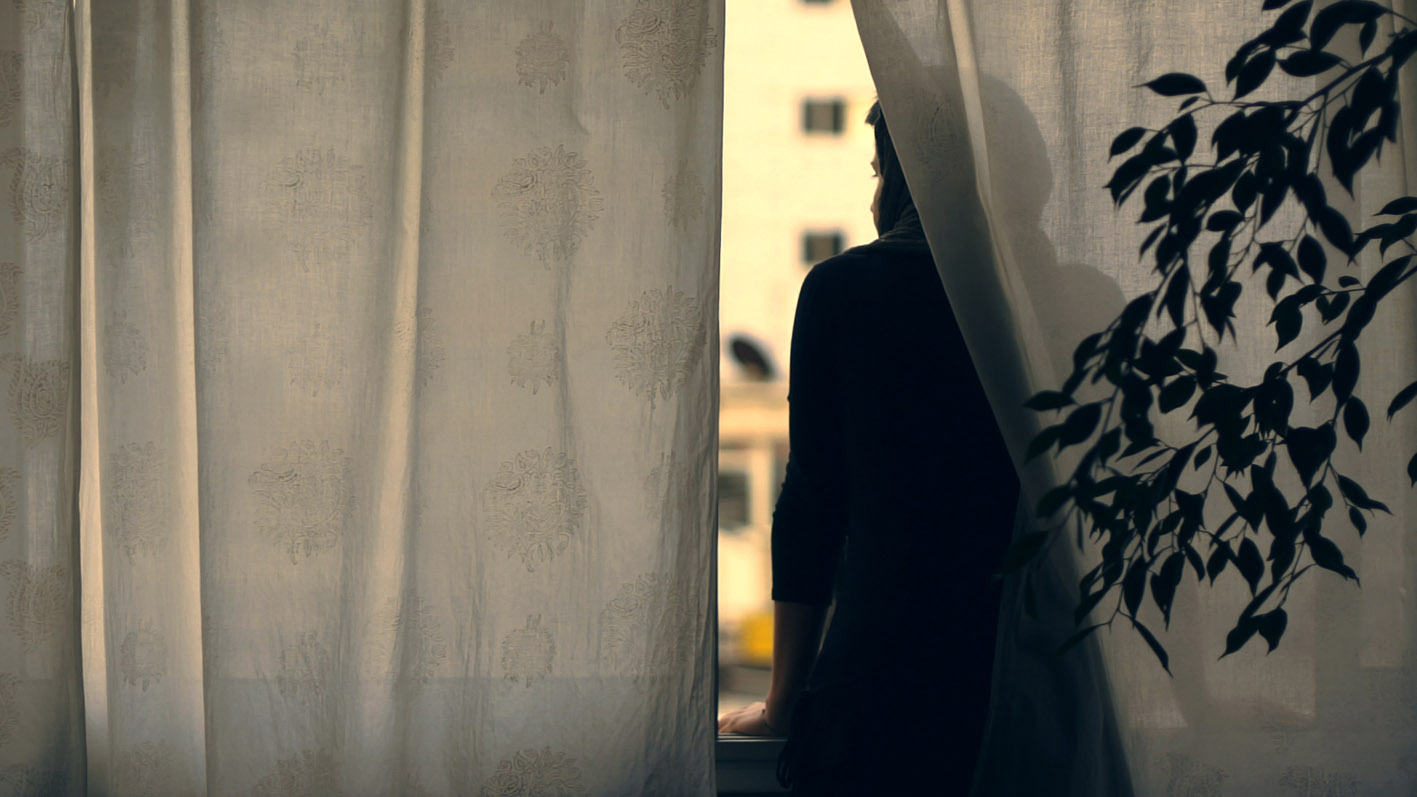
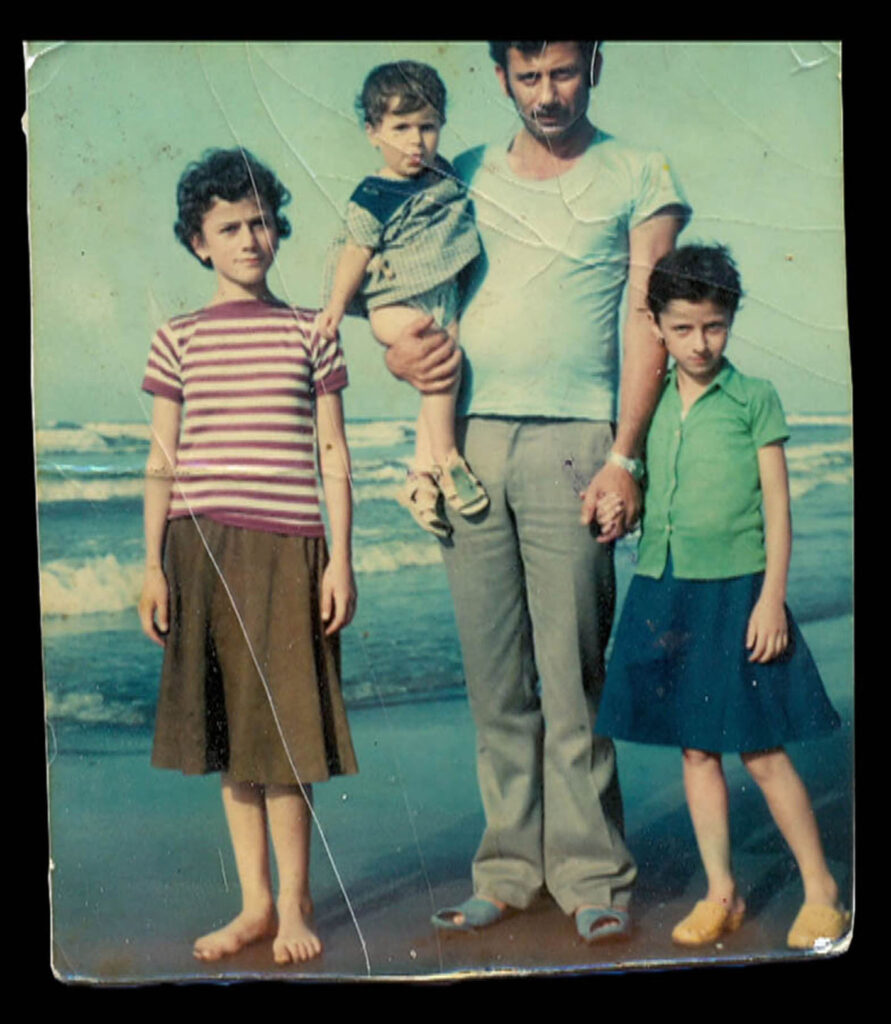
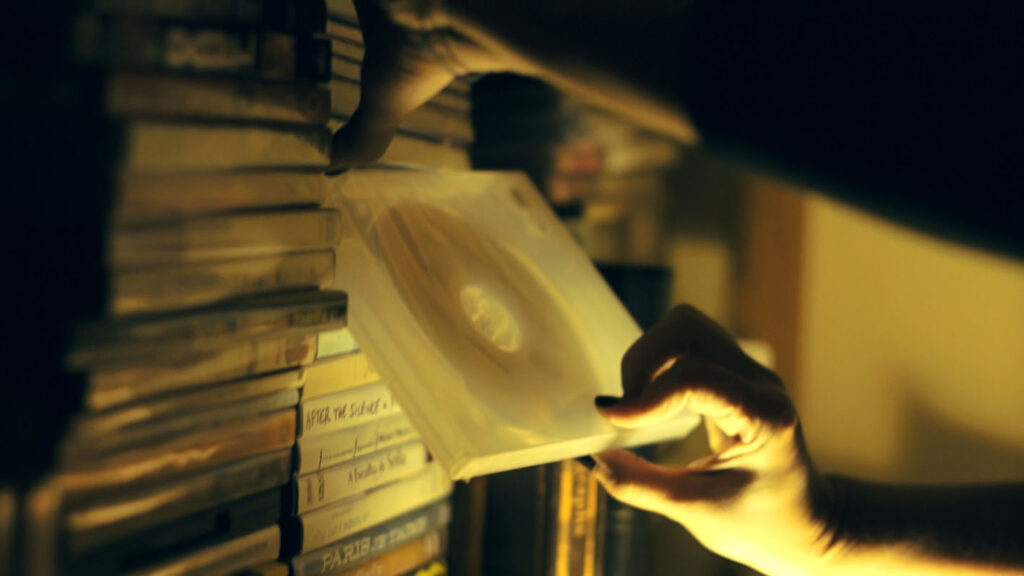
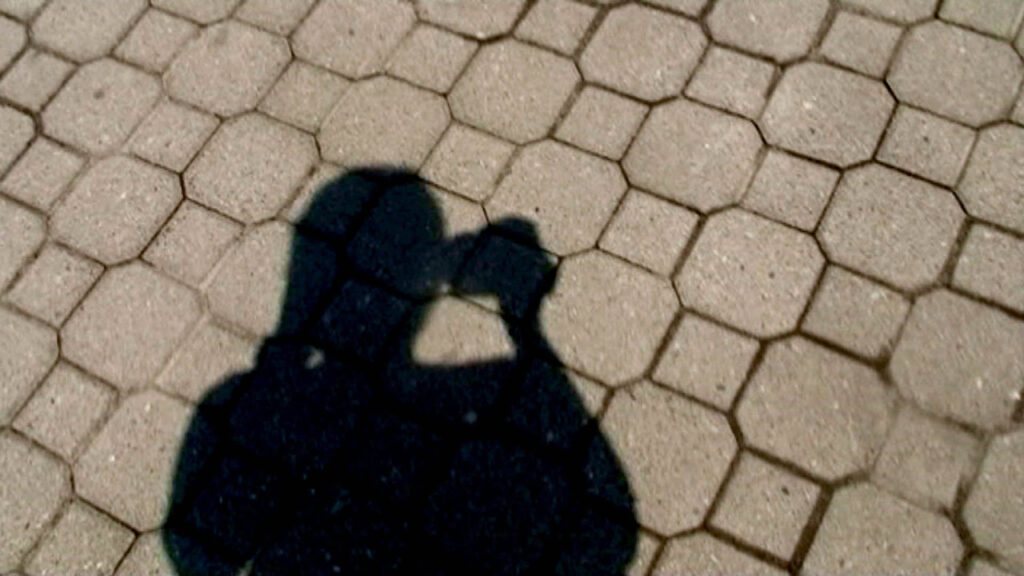
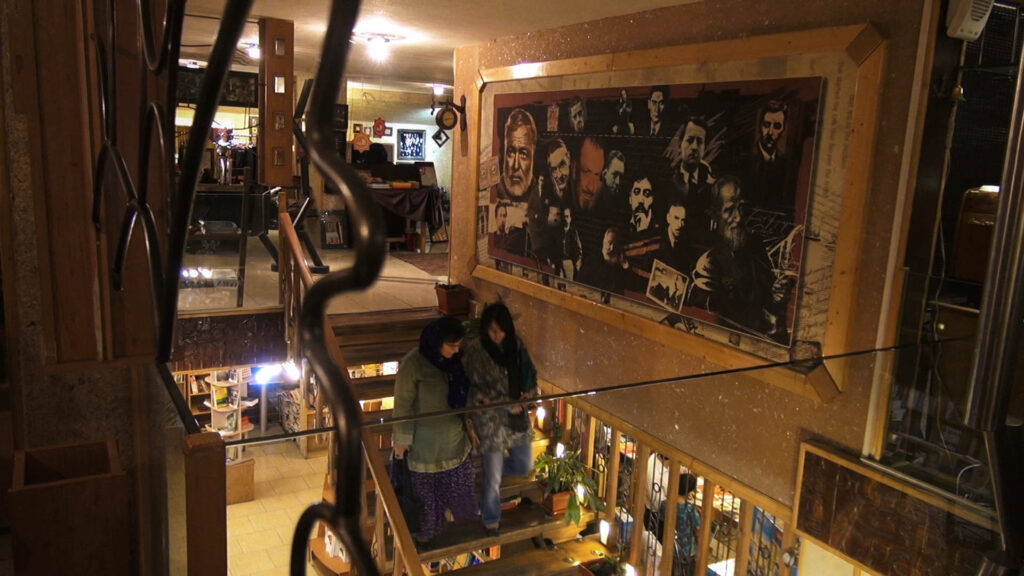
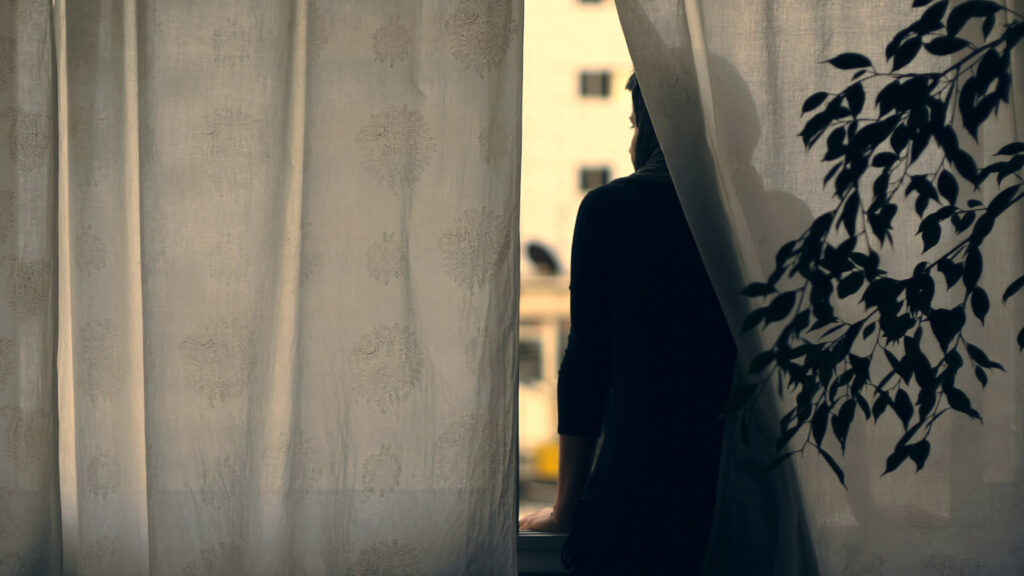
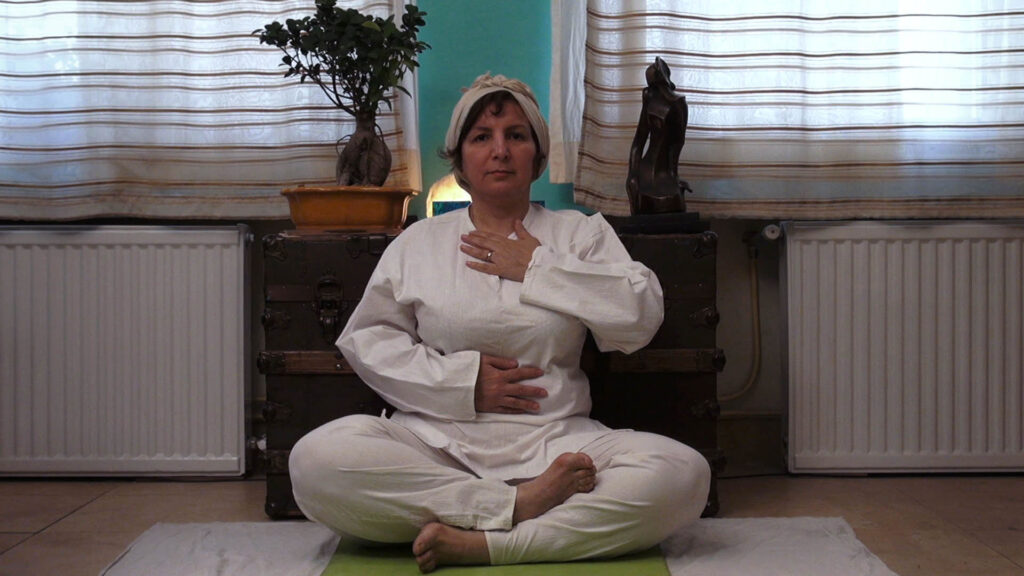
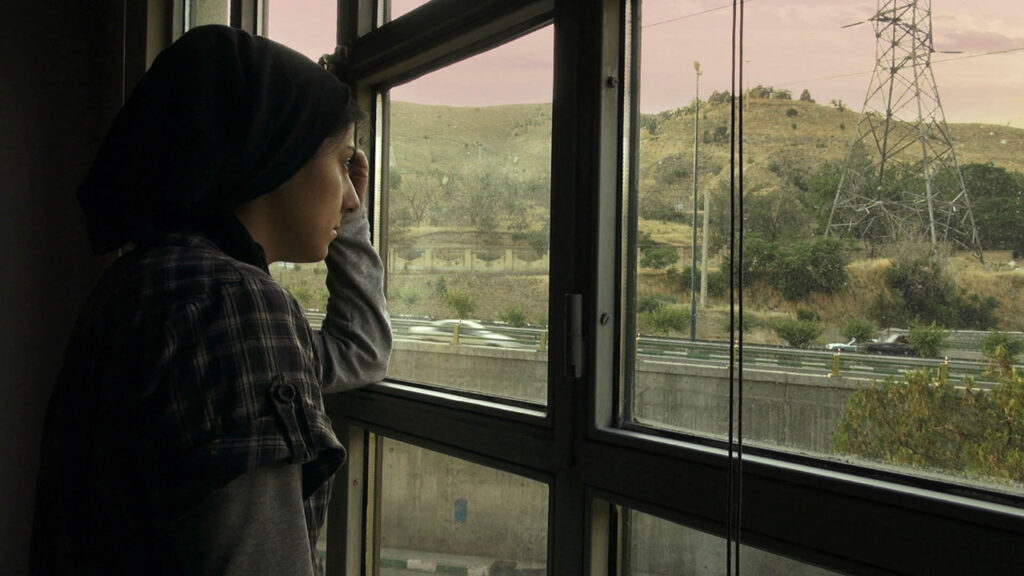
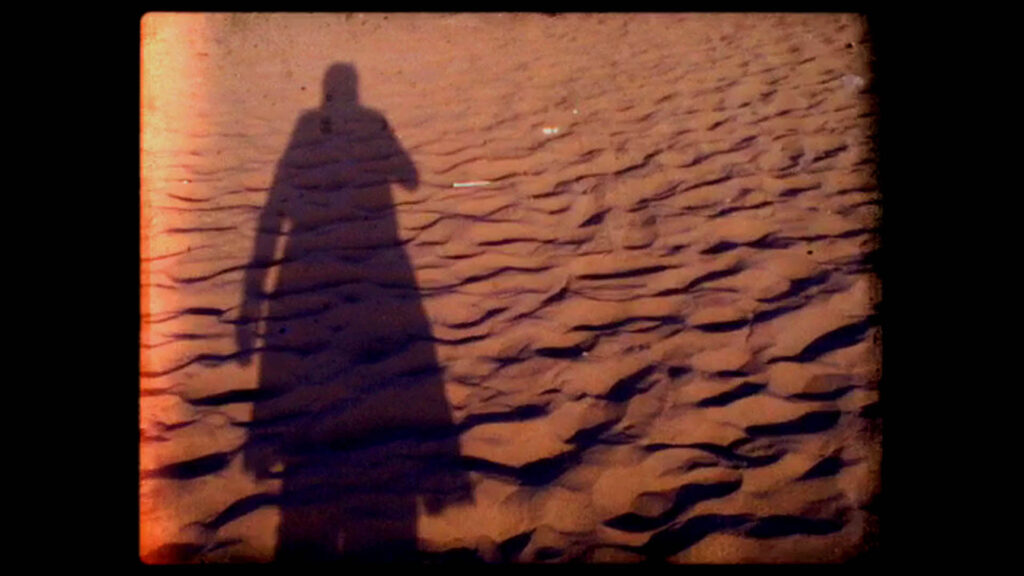
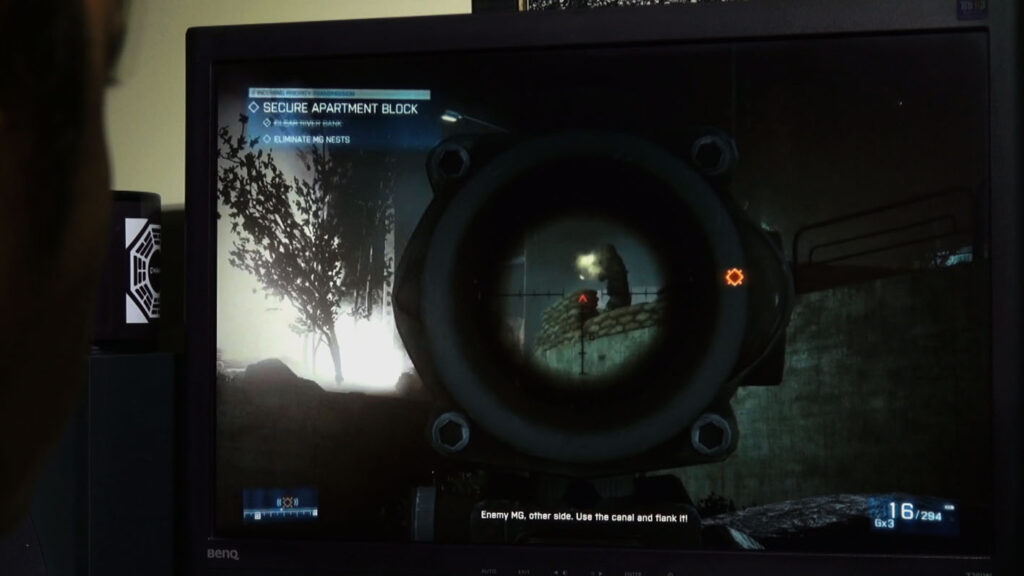
Film still from “Profession: Documentarist” directed by Shirin Barghnavard, Firouzeh Khosrovani, Farahnaz Sharifi, Mina Keshavarz, Sepideh Abtahi, Sahar Salahshoor, and Nahid Rezaei. © Farahnaz Sharifi
(Herfeh: Mostanadsaz / حرفه: مستندساز)

■ DATE:

16–25/10/2026 at 7pm (in your individual time zone)

■ LOCATION:

GPC Online Screen, Zoom

■ ARTISTS:

Shirin Barghnavard, Firouzeh Khosrovani, Farahnaz Sharifi, Mina Keshavarz, Sepideh Abtahi, Sahar Salahshoor and Nahid Rezaei.

■ CURATED BY:

Constanze Ruhm (Academy of Fine Arts Vienna), Marlies Pöschl and Bernhard Staudinger (GPC) as well as Lydia Nsiah.

■ FOLLOWING Q+A WITH THE FILMMAKERS:

Online Q&A with Shirin Barghnavard and Sahar Salahshoor, moderated by Marlies Pöschl
Against the backdrop of political, social, and economic crises in Iran since 2009, seven female documentary filmmakers collectively created a kaleidoscopic film about their work, consistently focusing on the relationship between the personal and the political.

Online Q&A with Shirin Barghnavard and Sahar Salahshoor, moderated by Marlies Pöschl, 24.10.2026, 12:00pm (UTC+2/MESZ)
Zoom-Link: https://us06web.zoom.us/j/87938533361

Matinee Online Screening (before the Online Q&A) 24.10.2026, 10:00am (UTC+2/MESZ) on this website

“Profession: Documentarist” served as starting point for the film and lecture series “Jene Tage / آن روزها” (Those Days), organized in 2017. Against the backdrop of political, social, and economic crises in Iran since 2009, seven female documentary filmmakers collectively created a kaleidoscopic film about their work, consistently focusing on the relationship between the personal and the political.

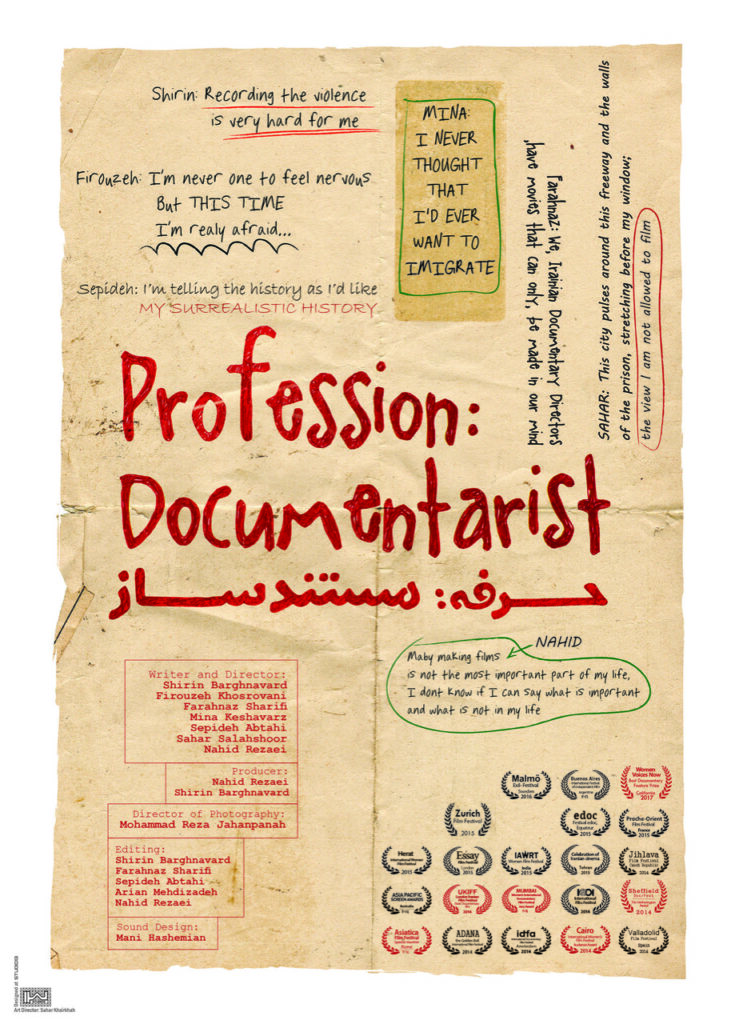
Among many of Tehran’s citizens, there is a common feeling of being in a constant "silent" war with the state's restrictions (Shirin). Political paranoia starts to seep into the filmmakers’ minds, prompting them to question even their own thoughts (Firouzeh). Female singers have disappeared from public space, leaving behind a void that can only be filled in the imagination (Farahnaz). The feeling of absence deepens as the distance between those who left and those who stayed becomes ever harder to bridge (Mina). There is a profound sense of grief—for loved ones lost, and for countries and futures that might have been (Sepideh). The walls of the prison seem to stretch beyond the cell, extending into the home and everyday life (Sahar). Yet, amid this sense of loss and fragmentation, hope remains possible—if there is a will to find it (Nahid).

Shirin Barghnavard is an internationally renowned filmmaker, editor, and producer. In her documentaries, including “Density of Emptiness” (2023), she connects personal stories with socio-political questions, focusing on social justice and the impact of politics and war on society.

Firouzeh Khosrovani is an award-winning Iranian filmmaker who lives and works between Iran and Italy. In her work—particularly in her award-winning IDFA film “Radiograph of a Family” (2020)—she explores the relationship between personal and collective memory.

Farahnaz Sharifi is a celebrated director and editor who utilizes intimate diaries and forgotten archival footage to construct alternative histories of Iranian women, as seen in her award-winning essay film “My Stolen Planet” (2024).

Mina Keshavarz is a prolific documentary director and founder of MinDoc Film Production, having gained international recognition with “The Art of Living in Danger” (2020). She uses her camera to expose systemic dangers that  women are facing.

Sepideh Abtahi is an independent documentary filmmaker and programmer who blends deeply personal family narratives with broader socio-political transitions to explore generational trauma in modern Iran.

Sahar Salahshoor is a dedicated filmmaker whose work explores themes of memory, gender, and political resistance, with a particular focus on Iranian women's struggles. She is currently developing her feature film projects alongside work as a researcher and programmer in the field of audiovisual archives.

Nahid Rezaei is an important voice in independent Iranian cinema. She has spent decades documenting education, public spaces, and female solidarity to preserve continuous historical memory under restrictive regimes.