STAGING MIMICRY
■ DATE:
Istanbul: 31.05.2018 | 19:30–21:00
■ LOCATION:
Depo Istanbul (TR)
■ CONCEPT AND REALIZATION:
■ ARTISTS:
Bernhard Staudinger, Katharina Swoboda, Dorit Margreiter, Simona Obholzer
■ SUPPORT:
Austrian Cultural Forum Istanbul
■ CURATED BY:
■ SPEAKERS:
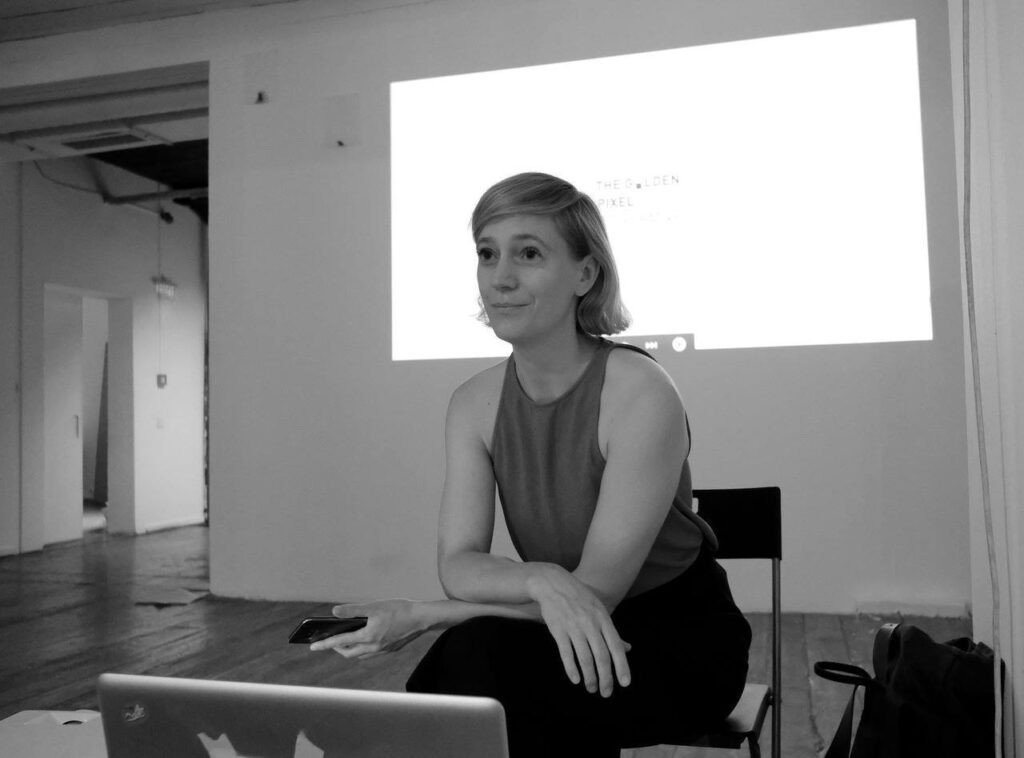
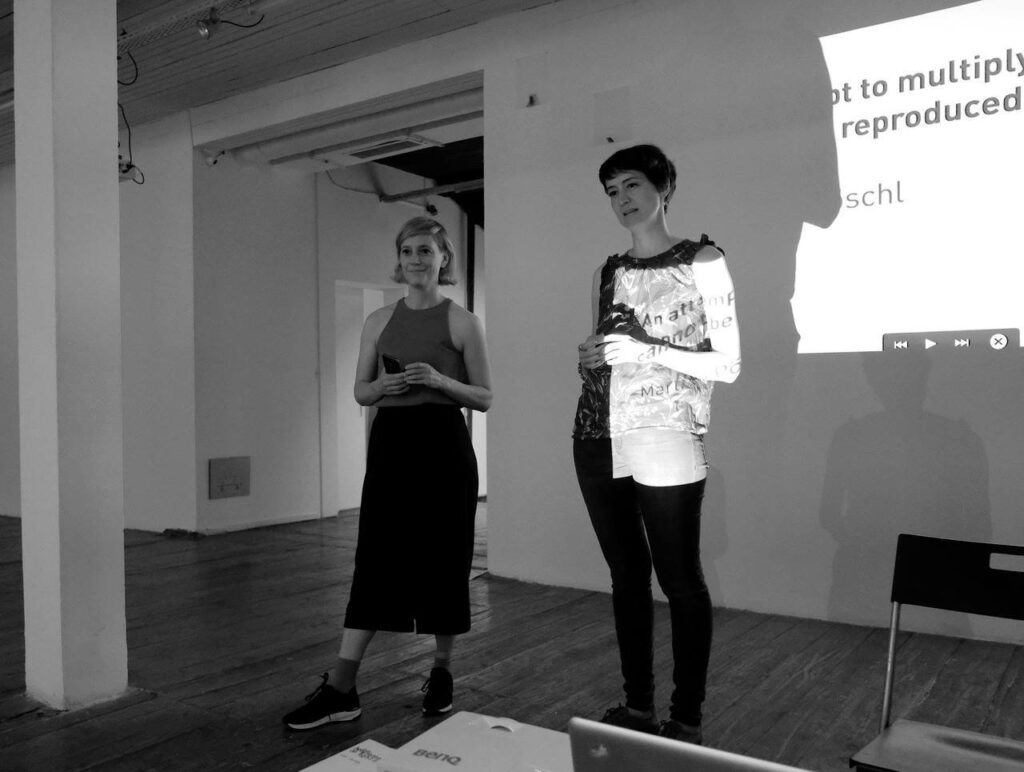
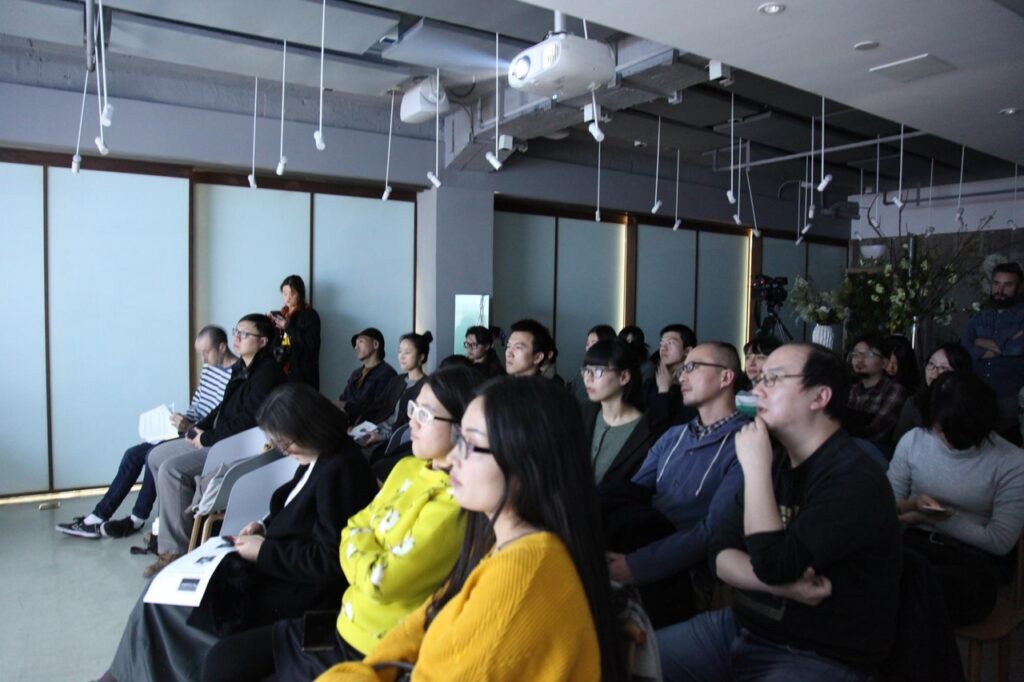
Extending the term mimicry to the field of architecture and art, this film programme explores this artistic surplus of mimicry. Which esthetic realms do artists create through strategies of mimicry, camouflage and mimesis? This event consists of a talk by the artist Katharina Swoboda and a film program, co-curated by Marlies Pöschl and Katharina Swoboda.
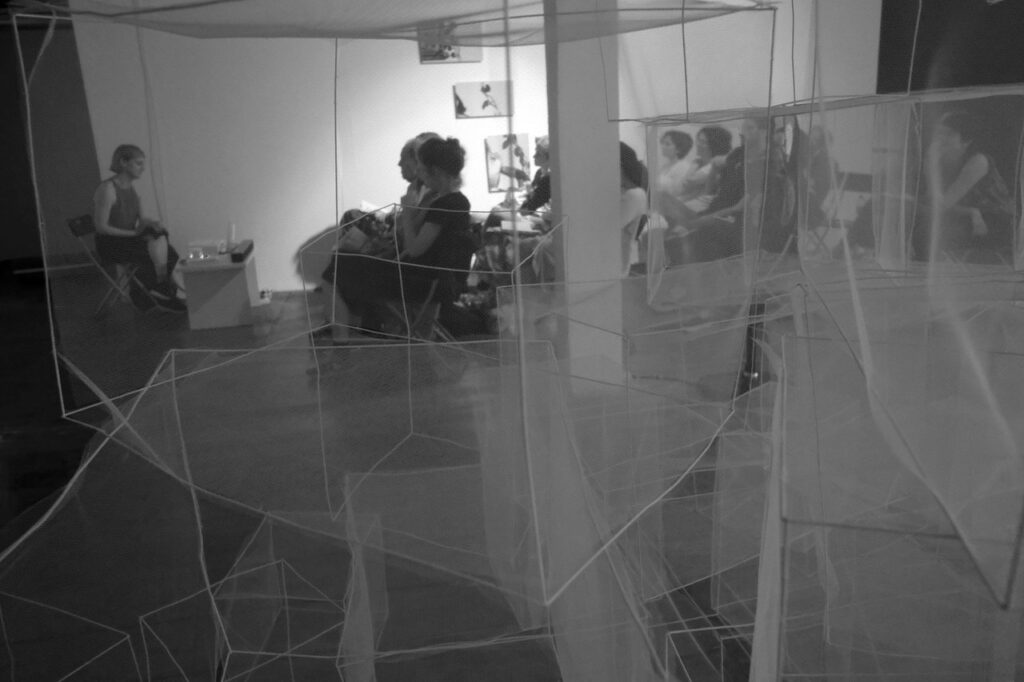
Staging Mimicry: A Cinematic Approach
Curated by Katharina Swoboda and Marlies Pöschl
Roger Caillois (1931-78), der Philosoph, Kulturkritiker und Insektenfreund, stellte in seiner Arbeit zur Mimicry klar heraus, dass es sich bei mimikrierenden Insekten nicht um eine Überlebensstrategie handelte. Vielmehr stellt Mimikry einen „Überschuss“ oder „Exzess“ von Lebendigkeit dar, zu sehen an der vitalen Fülle an Farben und Mustern. Hierbei schafft sich das Insekt eine zweite Identität: „The mimicking insect lives its camouflaged existence as not quite itself, [but] as another,” schreibt Eliszabeth Grosz, “the capacity to imitate one’s habitat or surroundings, far from performing an adaptative function, witnesses the captivation of a creature by its representations of and as space, its displacement from the centre, from a ‘consciousness’ of its place (in its body, located in space) to the perspective of another.“ Nach Callois entsteht hier ein Bruch zwischen dem Bewusstsein und dem Körper des Insektensubjekts – das mimikrierende Insekt fühlt sich außerhalb seiner/ihrer selbst, das innerhalb des eigenen Körpers Wahrgenommen scheint von außen zu kommen. Nachahmen, um sich selbst zu verlieren. Aneignen, um aus sich selbst herauszutreten. Im Fokus des Filmprogramms stehen neun Filme, die sich dem durch Nachahmung entstehenden „Überschuss“ künstlerisch bemächtigen.
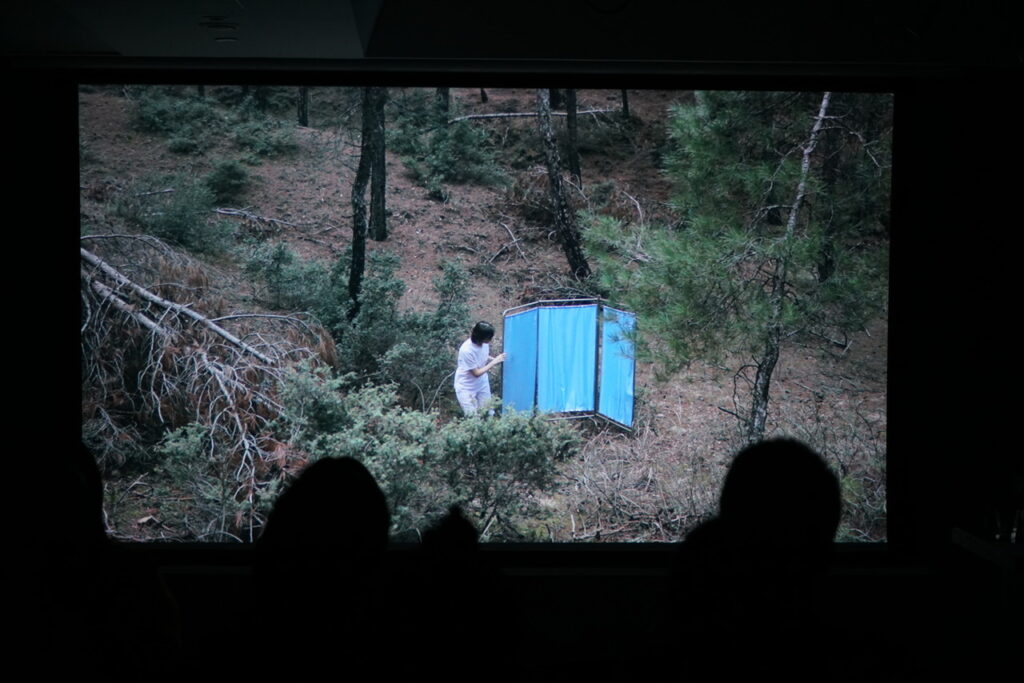
In Sena Basözs Arbeit „Be the Doctor, Practise Nursing“ (2016) nimmt die Künstlerin das Kostüm einer Krankenpflegerin an. Sie nimmt sich der Natur an, der Stadt, der Tiere und schafft eine Geschichte von Pflege, welche an die ökofeministischen “Care” Ethik denken lässt, also eine Bewusstheit für die Verbundenheit zwischen verschiedenen Lebensformen.
Ein Haus steht im Mittelpunkt von Lukas Marxt/Marcel Odenbachs Film „Fishing is not done on Tuesdays“ (2017). Ein Haus, dessen sich, wie Callois mimikrierende Insekten, ein Außen bemächtigt: das Haus wird durchdrungen von der umgebenden Landschaft und den Blicken der Kinematographen. Hierbei eröffnet sich ein cinematisches Kippbild zwischen der Architektur des Hauses und der Umgebung. Bernhard Staudingers dokumentaristischer Film „Sichuan“ (2014) zeigt ein Chinarestaurant in Wien, welches auf den ersten Blick keine geographische Verortung zulässt. Die Sprache ist Chinesisch, es gibt keine deutschen Schriftzeichen. „A virtually perfect copy, constructed by architects from China with materials imported from the province Sichuan” schreibt Staudinger über das architektonische Mimikry der Austro-Chinesen.
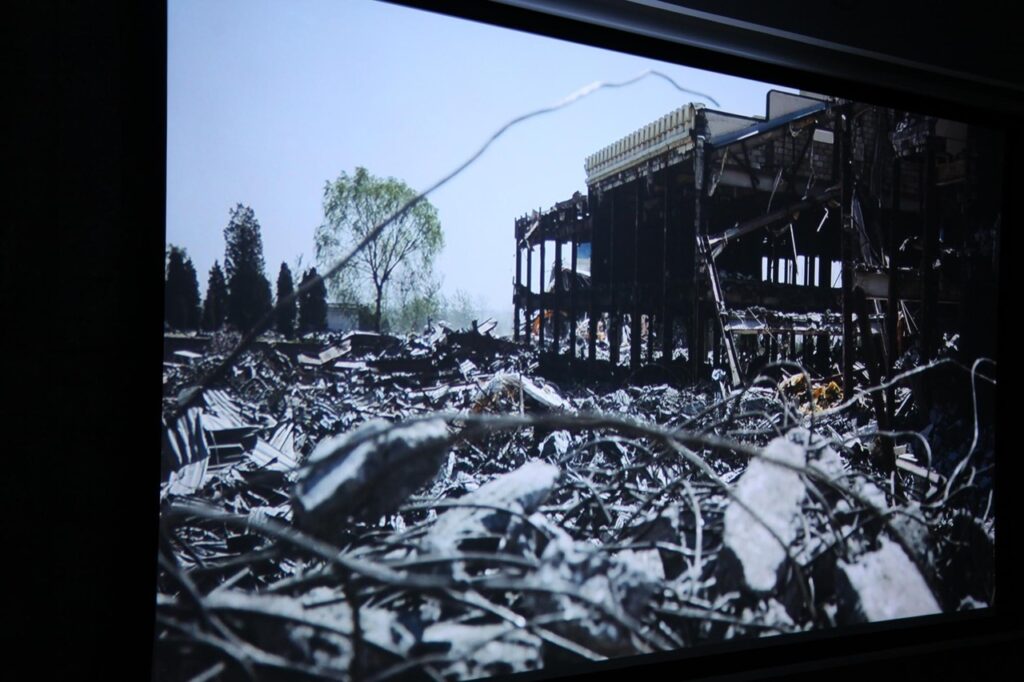
Dorit Margreiter beschäftigt sich mit der Inszenierung von “Fun” und Hedonismus - und der Leere, die in deren Abwesenheit zurück bleibt - am Beispiel eines stillgelegten Vergnügungsparks außerhalb von Peking, den sie in ihrem Film „Broken Sequence“ (2013) portraitiert. Auch Marlies Pöschls “Untitled (Lost Horizon“) zeigt eine Rekonstruktion, ein “böhmisches Dorf”. Das mittlerweile verlassene “National Culture Village”, 50 km außerhalb von Shanghai versammelt das nationale Kulturerbe - die Architekturen und Brauchtaumsgegenstände chinisischer Minderheiten und formuliertso eine - scheinbare - Utopie des friedlichen Zusammenlebens.
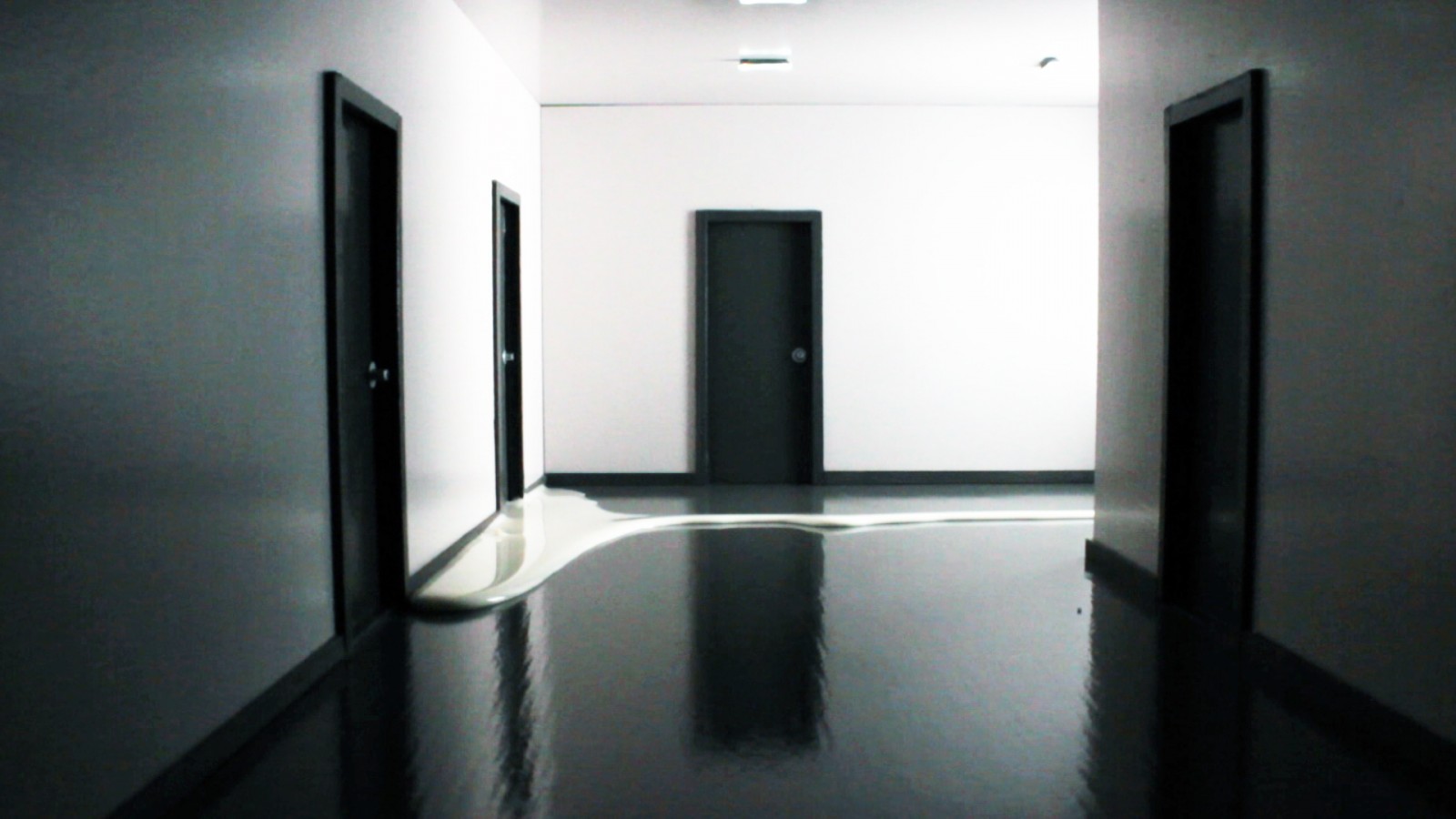
Mimikry erlaubt künstlerische Appropriationen, erlaubt widerständige Momente im Prozess der Nachahmung. Dass diese Nachahmung in ihrer Exzessivität aber auch negative Folgen haben kann, zeigt Simona Obholzers Arbeit „-5°C 40%rF“ (2016). Hier erzeugt das Spiel der Mimikry - der Einsatz von Schneekanonen zur Erzeugung künstlichen Schnees - aus der Nähe große Schönheit. Mit der Totale jedoch, welche die Filmemacherin ans Ende ihrer Arbeit setzt, rekurriert sie auf die Schrecken globaler Entwicklungen wie jener des Klimawandels. Bernd Oppl transformiert diese Entwicklungen in eine alptraumhafte Ästhethik: In seinem Film „Bestandsaufnahme“ (2016) befinden wir uns in einem Innenraum, der von einer undefinierbaren, dunklen organischen Substanz partiell geflutet wird. Diese fasst sich in Formen zusammen, nimmt den Raum in Beschlag, zieht sich wieder zurück. Die harten Kontraste zwischen den weißen Raumflächen und der schwarzen trägen Flüssigkeit spielen ein Ying-Yang Spiel, in welchem die Kräfteverhältnisse ständig neu vermessen werden.
Barbara Visser erweckt in ihrem Film „Herbarium“ (2013) vertrocknete tropische Pflanzen eines verlassenen Gewächshauses wieder zum Leben. Während Mimicry ein Begriff des Lebendigen ist, der aktiven Teilnahme des Wesens an der Welt, in dem sich jenes Wesen dem Äußeren annähert, steht hier das vertrocknete Gras im Vordergrund. Jene verblasste Fauna wird wieder aufgerichtet, und die Form erinnert an Gebüsch, wie es einst gewesen sein könnte.
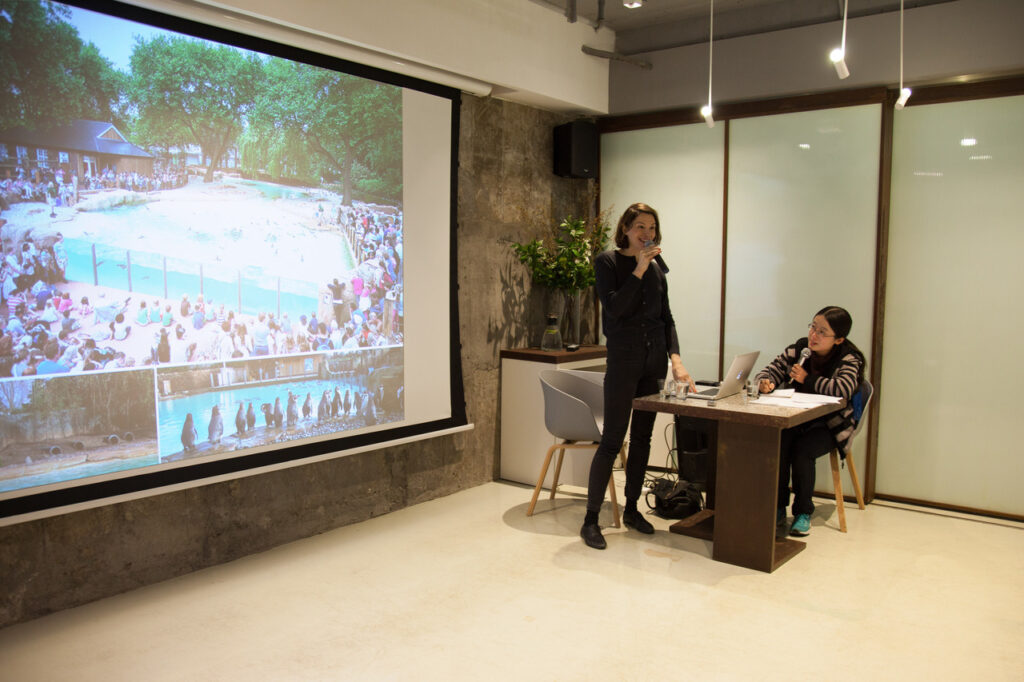
Katharina Swobodas „Penguin Pool“ (2015) ist ein modernistisches Gebäude, das nicht wie ein Eisberg aussehen, aber arktische Assoziation wecken soll. Die weiße Struktur steht in Kontrast zum azurblauen Wasserbecken. Ein Kontrast welcher das natürliche Habitat der Pinguine - Eisberge und Meereswasser - auf modernistische Weise nachahmt.
Program
Film programme
■ Bernd Oppl: Sick Building, 2013, 7 min
■ Lukas Marxt/Marcel Odenbach: Fishing is not done on Tuesdays, 2017, 15 min
■ Sena Basoez: Be the Doctor, Practise Nursing, 2016, 7 min
■ Marlies Poeschl: Untitled (Lost Horizon), 2014, 7 min
■ Bernhard Staudinger: Sichuan, 2014, 9 min
■ Katharina Swoboda: Reconstructing Z, 2014, 2 min
■ Dorit Margreiter: Broken Sequence, 2013, 8 min
■ Katharina Swoboda: Penguin Pool, 2015, 3:20 min
■ Simona Obholzer: -5°C 40%rF, 2016, 7 min
Empty Frames
Lecture by Katharina Swoboda
The zoological garden and the cinema are both invention of modernity, that work with “living images”. I presume, that zoological gardens produce ideas of “nature” and present them in certain, “anthropocentric” way. The talk focuses on architecture in zoos and it ́s representation in film. Architecture in the zoological garden, in my opinion, structure the view on animals and therefore establish cultural ideas about them. Comparable to cinematic procedures like shot sizes and montage, which are used to construct an image and therefore a significant view about the animal, the architecture in zoological gar- den directs the gaze of the visitors and therefore creates certain ideas of species. Art works to be discusses include contemporary video artist Anri Sala work about an empty zoo in his home town Tirana and Laszlo Moholy-Nagy ́s film about the modern architecture from the “Tecton Group” from 1934.