■ DATE:
04.05.2024 | 17:00–21:00
■ LOCATION:
Neubaugasse 40A, 1070 Vienna
■ CONCEPT AND REALIZATION:
■ ARTISTS:
■ SPEAKERS:
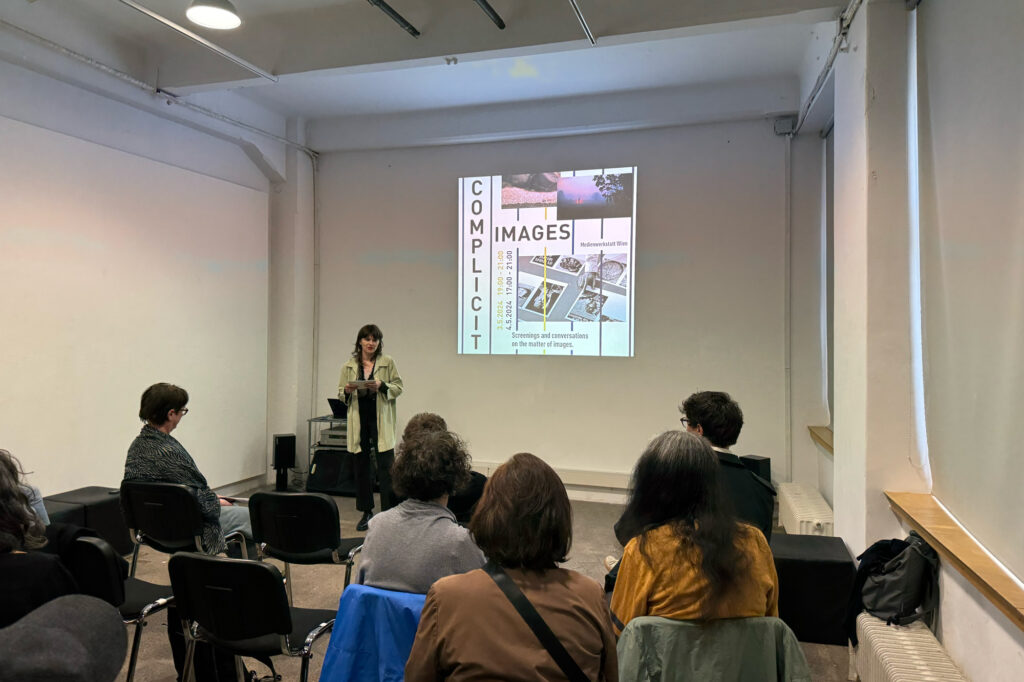
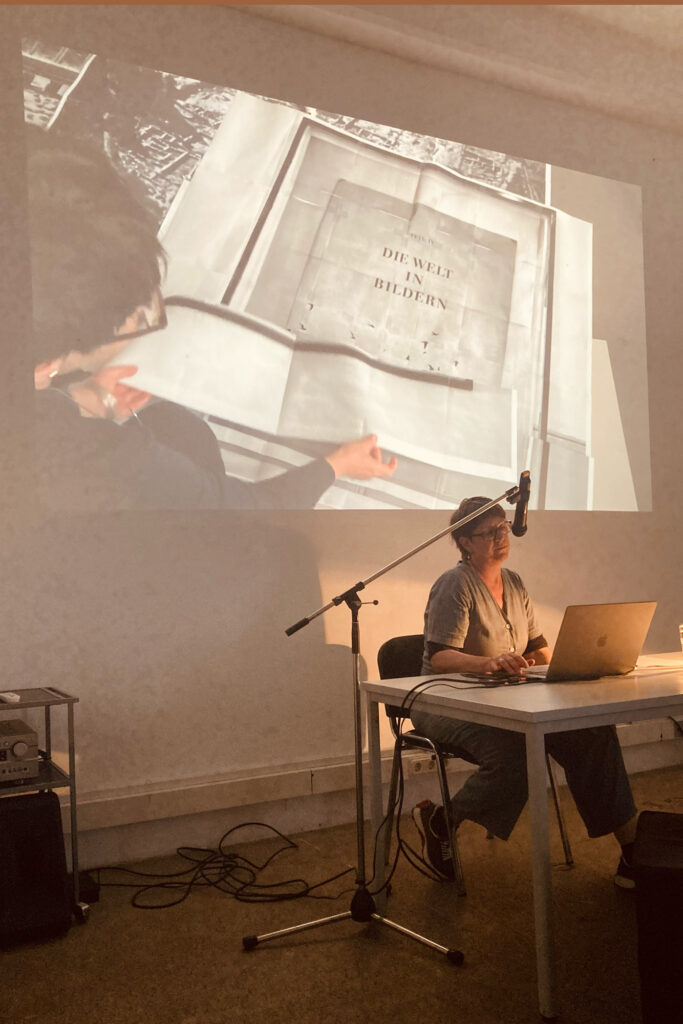
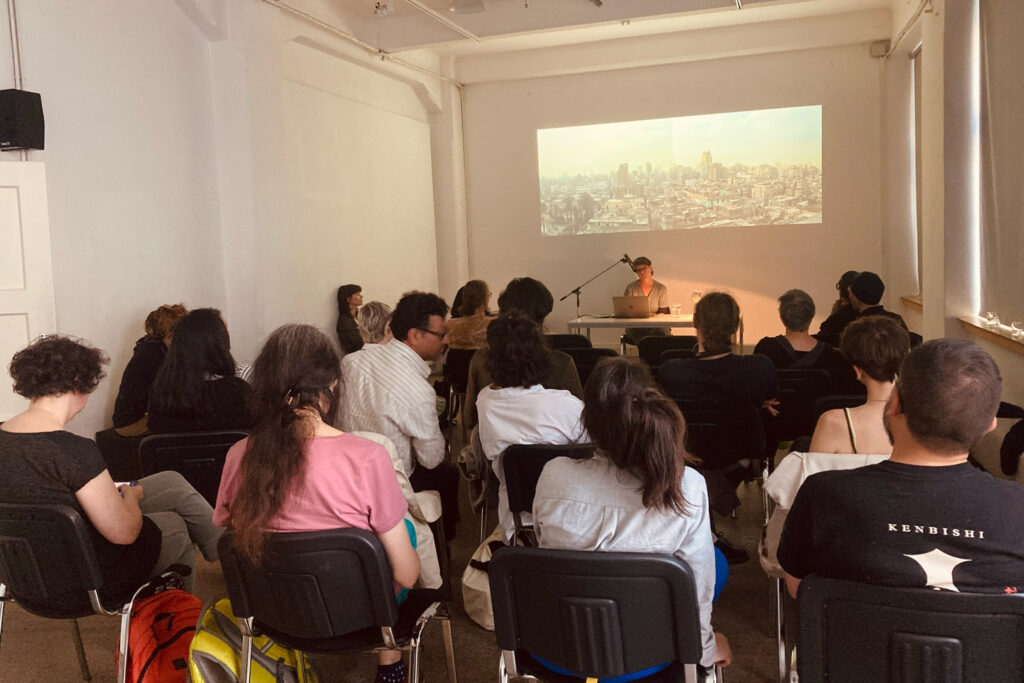
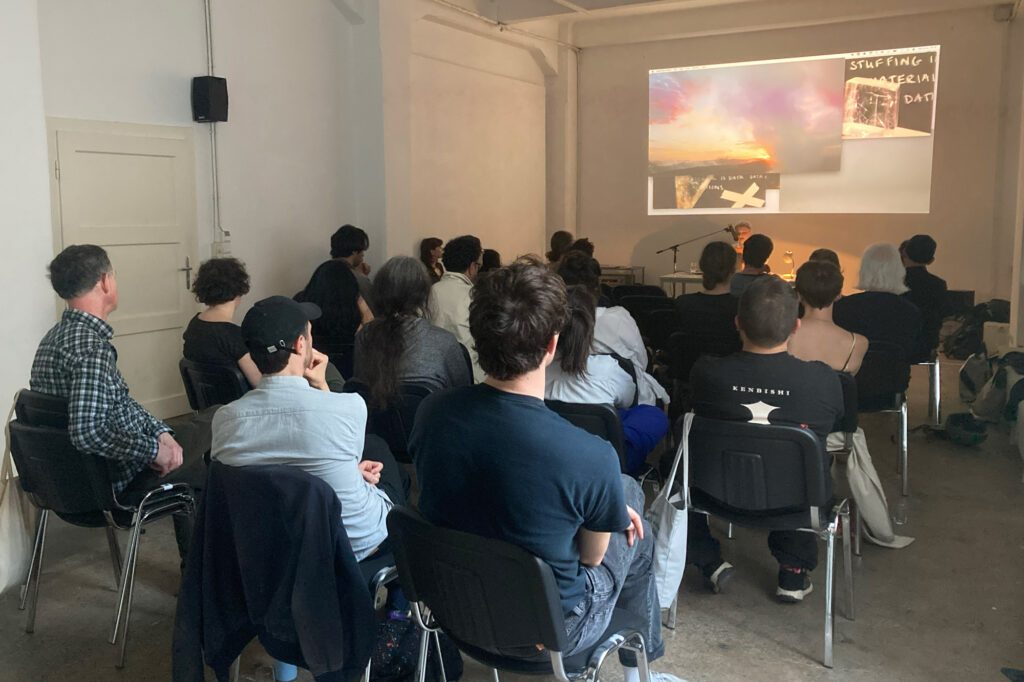
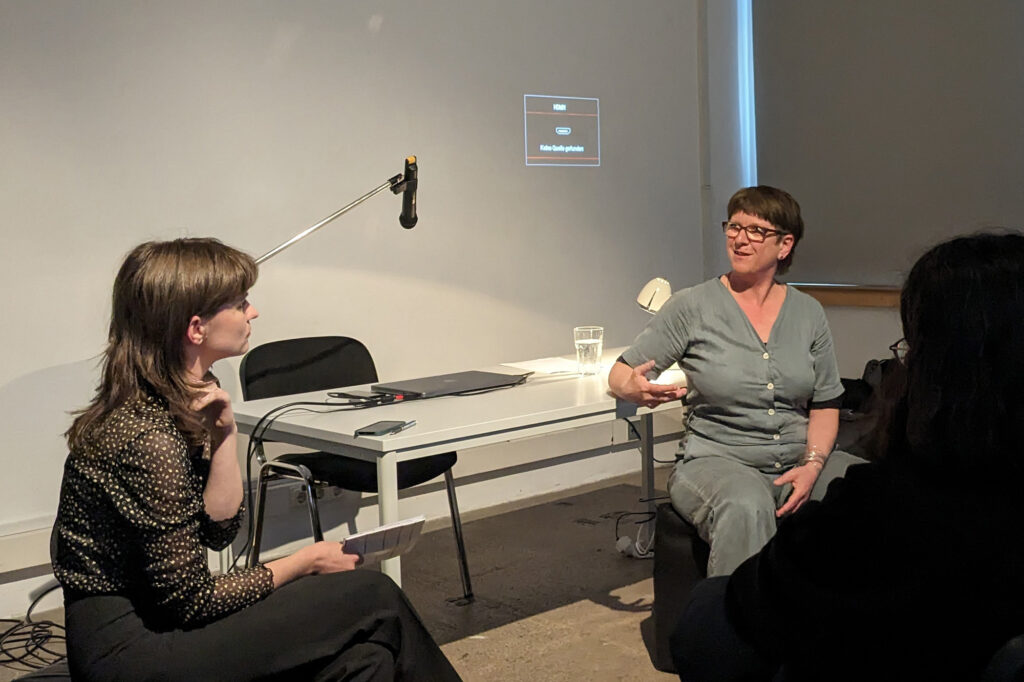
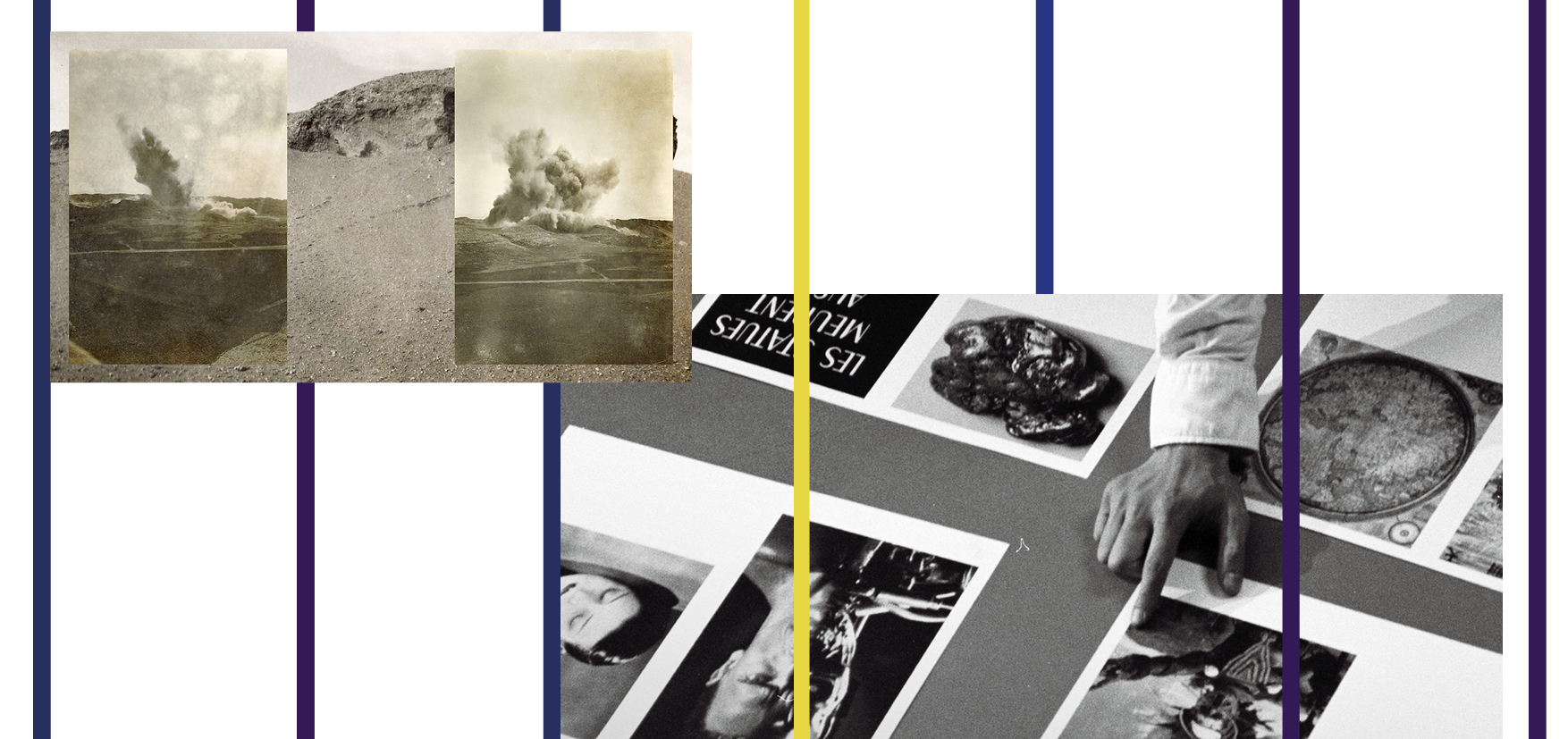
What is the role of images in exploitation and dispossession processes? How do they frame the earth as a deposit for extractable resources? And how can images resist their own complicity? The programme "Complicit Images" presents films and performative lectures that question the role of visual media in the context of colonial surveying and exploration as well as in the extraction of raw materials and cultural knowledge. The selected works address the complicity of images in the conquest of territories, the representation of looted goods and the construction of visual narratives. On the one hand, they examine how the appropriation and exploitation of material and immaterial resources is staged, documented and legitimised by visual means. On the other hand, image technologies mostly rely on the availability of precisely these resources – an interrelation that is discussed in the curated programme from a media-situated perspective. The selected films consider the source and composition of their own materiality, technology and history. They reflect on the social and political function of images by means of images themselves.
The invited artists develop critical image practices by accounting for and reactivating visual archive material and employing new imaging technologies. They point to the (in)visibilities that images (re-)produce and explore alternative historiographies through material- and mediaspecific strategies. By examining and excavating the political and historical dimensions of images layer by layer, they create new frameworks and visual spaces for engagement and interaction. The films of the programme are committed to an experimental, rebellious, genuine and at the same time poetic reflection: The instrumentalization of visual media is redefined as a multi-layered, ambivalent complicity of images. Thus, images become tools for self-reflection, contextualisation and consequently reimagination. "Complicit Images" raises urgent questions about the visual construction of our (world)view and our visual literacy.
Program
Friday, 03.05.2024 |19:00
■ Sanaz Sohrabi: Scenes of Extraction
43 min., 2023, Canada / Iran
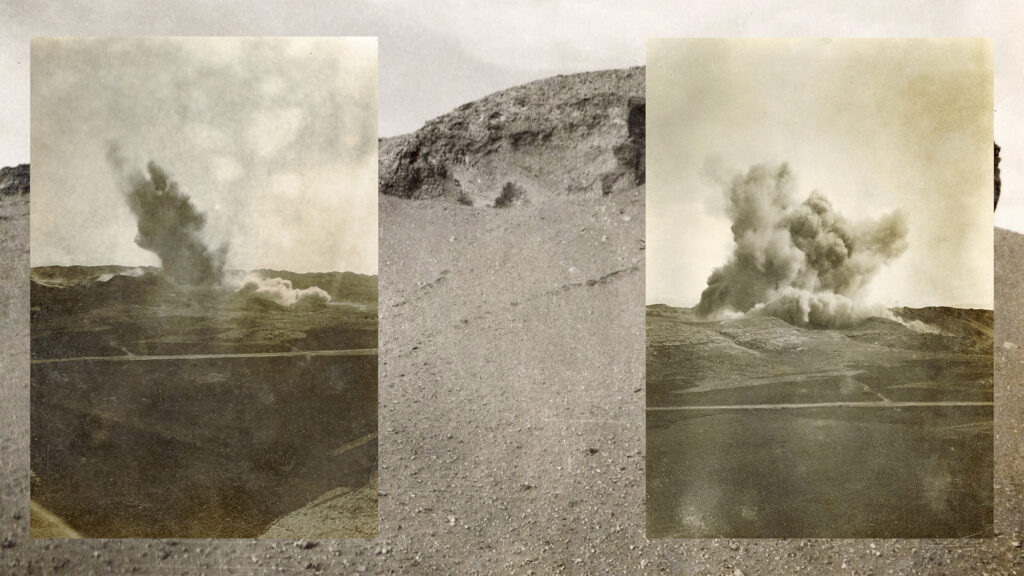
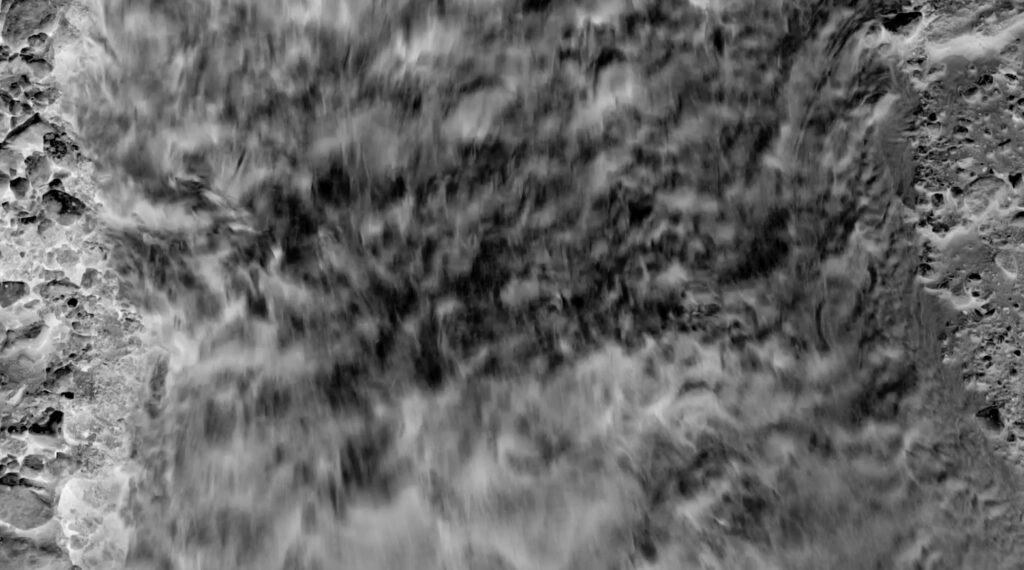
"Scenes of Extraction" traces technical and social entanglements between the construction of infrastructures and the political economy of images in the context of fossil fuel extraction in the Iranian oil belt in the first half of the 20th century. Collaging footage from the British Petroleum Archives, aerial footage and amateur material, Sanaz Sohrabi reflects on "reflection seismography" method of oil exploration. With a multi-layered, speculative approach and through the use of CGI maps and spatial renderings fed into an AI software, she uncovers discrepancies in colonial narratives. "Scenes of Extraction" constructs a historiography that questions the role of images in colonial extractive politics by examining their relationship to the history of photography and to archival strategies.
■ Enar de Dios Rodríguez: Liquid Ground
32 min., 2021, AT/ES
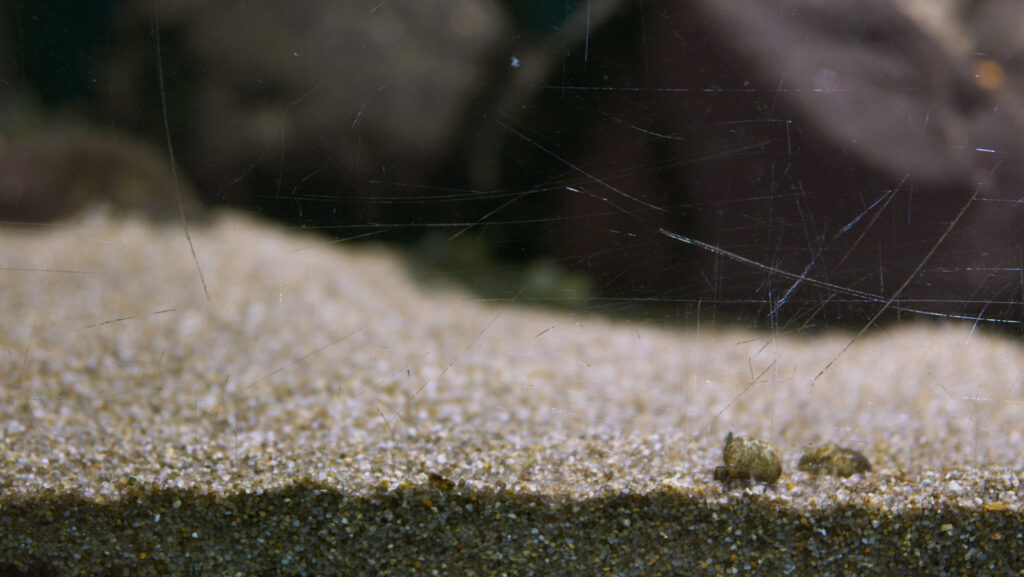
The seabed is one of the last unmapped spaces on our planet, and also one of the last unexploited natural spaces. From illustrations of underwater creatures to computer-generated cartographies of the seabed, "Liquid Ground" dives deep beyond the surface of representation into the abyss of colonization and exploitation of this underwater world. Structured around a child's questioning from a nursery rhyme, the film gradually reveals the complexity of the capitalist self-destructive system and offers a feeling of being trapped in a vicious circle of its consequences. Enar de Dios Rodríguez picks up on images that are deeply inscribed in our worldview and brings to light the visual technologies behind the plundering that simultaneously rely on the resources extracted from the depths of the sea.
Followed by a Q&A with the filmmaker and member of The Golden Pixel Cooperative Enar de Dios Rodríguez.
Saturday, 04.05.2024 |17:00
■ Maia Gusberti: Performative Lecture
20 min. + Q&A
■ Caitlin Berrigan: Lecture
30 min. + Q&A
Screening
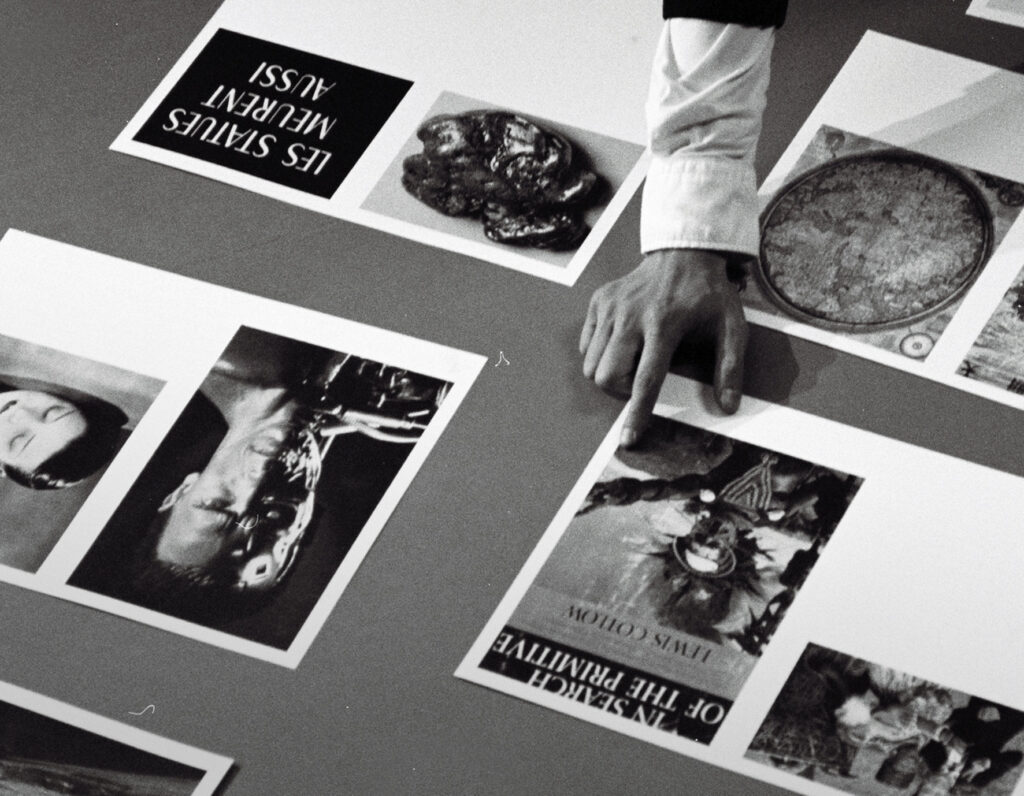
■ Musquiqui Chihying: The Sculpture
28 min., 2020
"The Sculpture" takes two museum collections as its starting point: The recently established collection of African art in the National Museum of China in Beijing and the “imaginary museum” as conceived by the French art theorist André Malraux. Through a succession of black and white photographs and two alternating off-screen voices, the experimental documentary follows the movement of artefacts between the Asian, African and European continents.
What happens to an artwork once it is disconnected from its original cultural, geographical, and historical context? And who owns the art collection of the “Musée imaginaire”? Re-enacting a well-known portrait of Malraux, Musquiqui Chihying, reflects on how the Western gaze has modified the meaning of appropriated African artefacts.
■ Daphné Nan Le Sergent: L'image extractive
20 min., 2021
"L'image extractive" examines the material foundations of photographic and cinematic images. It is an intriguing journey into the economics, extraction and visual circulation of silver halide - the material that has enabled permanent capture of light and shadows in the first place. Can an image look back at its own history? Is it able to witness the ruptured grounds from which it emerged? Daphné Nan Le Sergent considers silver photography through three levels of a production chain: the extraction industry, stock markets and data mining processes. Beginning with the first great silver deposits discovered throughout colonised Americas, the video essay spans stock market fluctuations, Kodak's efforts to digitise photography and data modelling as a way to predict the scarcity of resources.
■ Suneil Sanzgiri: Golden Jubilee
19 min., 2021
“When we analyze the images of the past, are we asked to mine the archive?”
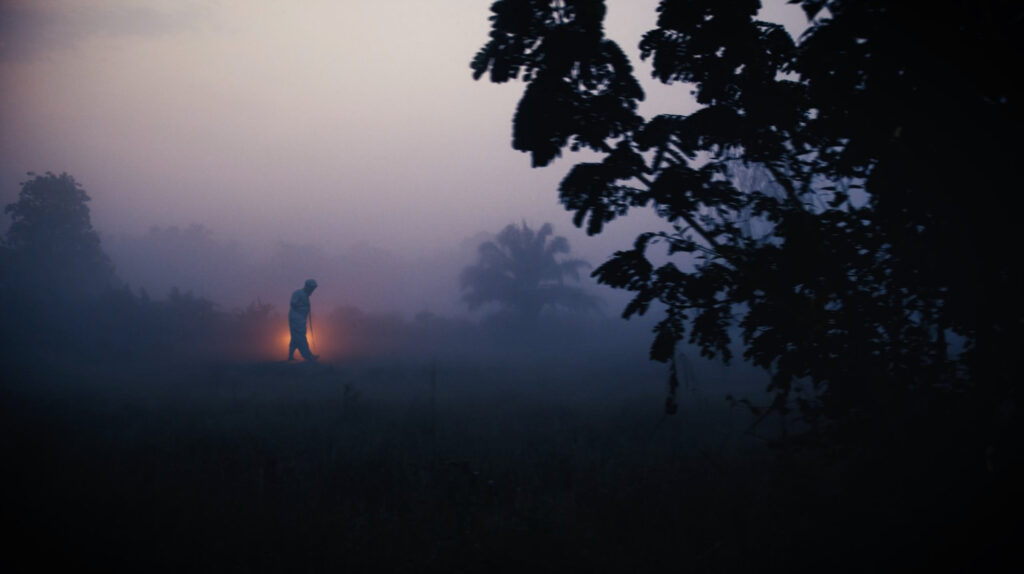
Trawling the potential of visual storytelling, the "Golden Jubilee" blends various visual textures and forms of narration; drone videography of Goa’s landscapes, 3D renderings of the filmmaker's family's ancestral home and 16mm footage of the liberation movement. It reimagines the history of a place that has been haunted by financial speculation, mineral extraction and colonialism. This film is the third in a series of works about memory, diaspora and decoloniality. In this piece, Suneil Sanzgiri centres his father’s memory of encountering the “demonic” spirit Devchar, whose task is to protect workers, farmers, and the once communal lands of Goa, but “protection from what?" the filmmaker asks.
Biographies
■ Caitlin Berrigan
Caitlin Berrigan works as a visual artist and writer to explore poetics and queer science fiction as world-making practices through instruments and moving images. Her work enfolds the complexity of interrelations across humans and other beings within spatial ecologies, technologies, and systems of capitalism. She has received fellowships and residencies from the Humboldt Foundation, the Graham Foundation and the Akademie Schloss Solitude among others.. Her experimental writings are published by e-flux, MARCH, Duke University Press and Broken Dimanche Press. Currently a Senior Postdoctoral Fellow at the Academy of Fine Arts in Vienna, Berrigan has held full-time and visiting faculty positions at NYU Tisch, Caltech, Bard College Berlin, Harvard, and UMass Boston.
■ Maia Gusberti
is a visual artist and researcher. She transforms lens-based images into multi-layered relational spaces in order to reflect on the relationship between image, gaze and society. Her practice includes curatorial projects such as "Complex Images" (Kino REX, Bern) and "Choreography of the Frame" (Kunsthalle Exnergasse, Vienna). She studied Art and Digital Media (University of Applied Arts, Vienna) and Critical Images (Royal Institute of Arts, Stockholm). Currently, she is a doctoral candidate at the LUCA School of Art and the Lucerne School of Design, Film and Art (HSLU), where she also works as a research assistant. As an artist in residence she worked in Cairo and Amman (Pro Helvetia), Ramallah (Al Mahatta), Paris Cité des Arts and Rome (BMUKK) and in Sofia (Interspace). Gusberti presents her projects at international exhibitions, conferences and festivals.
